
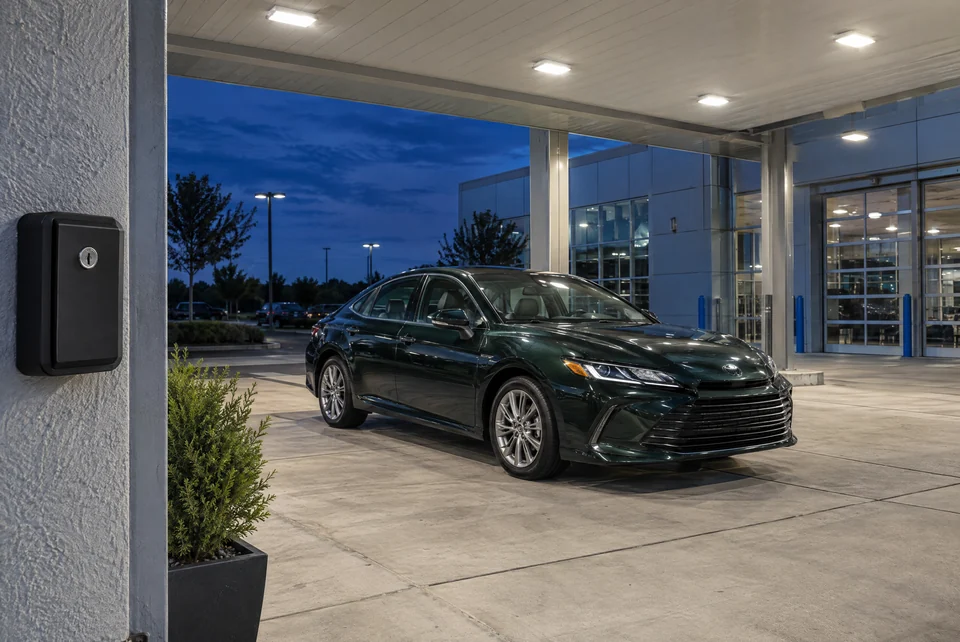
An evening pickup can fit a seller’s workday or a dealership’s schedule, but an empty parking lot and a hidden key are not a complete handoff. After-hours collection needs the same release authority, vehicle inspection and access planning as a daytime appointment. Agree on those details before anyone travels so darkness or a locked gate does not turn a workable pickup into an uncertain one.
What to know first
- Confirm who may release the vehicle and whether that person will attend.
- Use a permitted, well-lit loading location with access for the actual truck.
- Agree on a fallback if keys, lighting or the release contact are unavailable.
Decide whether the handoff will be attended.
An owner, dealership employee or authorized representative can help identify the vehicle, explain operating quirks and review its condition. Give the coordinator that person’s name, mobile number and actual availability. “Someone is usually there” leaves the driver without a dependable contact.
If you need an unattended release, request explicit acceptance of that arrangement before booking. Ask how authorization, vehicle identity, key custody and condition documentation will be handled. A note left on the dashboard should not be your only evidence that the car may be collected.
Check access after the business closes.
A lot that is open during the day may have a timed gate, bollards or security patrol after closing. Confirm who can admit the driver and whether the gate stays open long enough to load and exit. Provide the correct entrance rather than relying on the business’s mailing address.
Check lighting, truck turning space and permission to use the area. Nearby parking may belong to another business. If a different meeting point is necessary, agree on who brings the car there and how that extra movement will be documented.
Make the key transfer specific and secure.
Confirm which physical key or fob the driver needs, including any separate steering lock, wheel lock or immobilizer device. Test it before the release contact leaves. Explain unusual start sequences or transport settings using the vehicle’s instructions; do not assume a phone app will remain accessible once you depart.
Use the key-transfer method agreed with the transport provider. Avoid public messages describing a hidden key location or access code. Send sensitive access details through the confirmed contact channel and establish who will acknowledge taking possession.
Photograph what the light actually reveals.
Take a full daylight condition record beforehand when possible, then document the handoff itself. Evening photos should include clear views of panels, glass, wheels and existing marks. Strong overhead lights can create glare; inspect the image on your screen and retake unclear areas from another angle.
Review the pickup condition report with the attending representative. Describe any visibility limitation accurately instead of recording an inspection that did not occur. General insurance documentation guidance from the NAIC supports keeping photographs and conversation notes, but the transport agreement governs its own reporting process.
Set a cutoff and a fallback.
Decide what happens if the truck arrives after the contact must leave, the gate fails or the lighting is inadequate. Options to discuss include a different permitted location or a rescheduled attended pickup. Confirm any resulting cost or timing change before accepting it.
Keep your phone available during the agreed period and appoint a backup who can make decisions. Do not interpret a missed call as proof of collection. Obtain the completed pickup record and confirmation that the keys and vehicle were received.
Resolve these questions before the evening starts.
Send one concise handoff message containing the agreed answers, vehicle reference and primary contact. Driveline can review after-hours requirements during manual booking; submitting a request does not confirm an evening appointment.
- Who can authorize release if the original contact leaves early?
- Can the truck enter and exit after the gate’s normal closing time?
- Where will the inspection happen if the lot lights switch off?
- Who confirms collection and holds the pickup condition record?
Plan your next step
Plan an address-based handoff ↗Request an after-hours pickup review ↗Sources & further reading
Explore the service
Door-to-door car shipping ↗Published by Driveline Logistics. Guides explain planning considerations; shipment-specific equipment, availability and written terms are confirmed before booking.