
The right equipment brief.
A vehicle-specific review of condition, dimensions, clearance and loading needs before the arrangement is finalized.
The Driveline protection standard
The details of a vehicle’s journey deserve the same attention as the destination. Our approach to planning brings equipment, handling, condition records and coverage clarity into one plan.
Plan a protected move ↗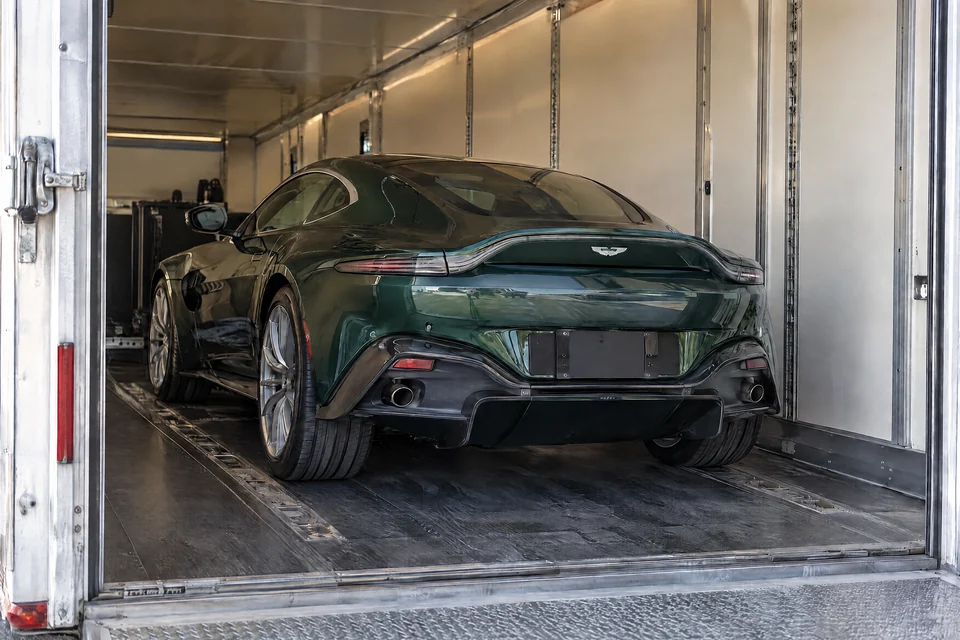
The assurance behind the plan
A vehicle-specific review of condition, dimensions, clearance and loading needs before the arrangement is finalized.
A documented pickup and delivery process, with visible condition recorded and the right contact at each end.
An opportunity to review the assigned carrier's coverage, relevant terms and the process for reporting an issue.

01 / Wheel securement
The securement plan starts with the actual car and the equipment carrying it. Suitable wheel restraints, anchor points and loading instructions should work together, with the hardware kept clear of sensitive finishes.
02 / Clearance & contact points
Mirrors, doors, low bodywork and wide wheels deserve a deliberate clearance check. The vehicle's dimensions and the trailer layout guide the loading conversation before the car is positioned aboard.
03 / Low-clearance loading
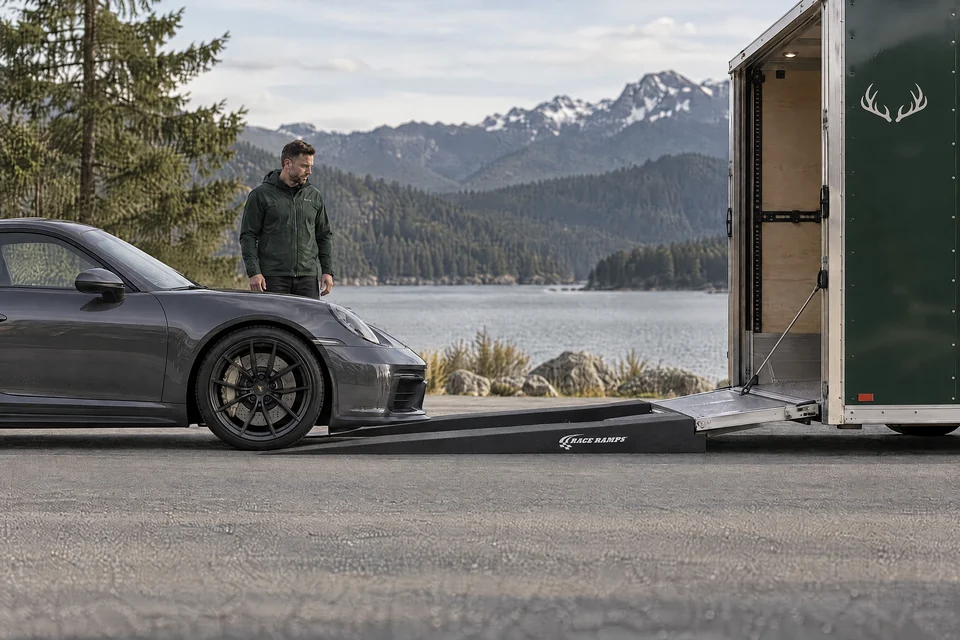
A low front lip is only part of the picture. Wheelbase, breakover angle and overhangs also affect the loading plan. Discuss liftgate and extended ramp options against the actual measurements and equipment.

04 / Before & after inspection
Walk around the vehicle, record visible condition and keep useful photographs before release. At delivery, compare the car with the pickup record and document any discrepancy before completing the handover.
Protection questions
It is the planning process described here: equipment review, loading and securement planning, documented handovers and coverage clarification. Shipment-specific commitments belong in the written booking.
No transport arrangement can remove every possible risk. A clear loading plan, condition record and insurance review help you understand how your vehicle is handled and how concerns are addressed.
Ask for current coverage information for the assigned carrier and clarify any limit, exclusion or deductible that matters to the vehicle. Resolve the questions before finalizing the arrangement.
Document it with clear photographs and the delivery record, keep all shipment documents and contact the responsible party promptly under the written reporting process.
Get a quote for your route. We’ll help you plan the pickup and delivery.