
Before comparing prices, understand the role of each business in the proposed shipment. Knowing who coordinates the move and who physically transports the car helps you ask clearer questions about equipment, paperwork, timing and coverage.
What to know first
- A broker arranges transport; a motor carrier performs it.
- Identify the legal businesses involved in your shipment.
- Confirm who handles each stage and where questions should go.
The roles are different.
FMCSA describes a motor carrier as a business operating commercial vehicles to transport property or passengers. A broker arranges transportation between a shipper and a carrier. Those roles explain why the name on a quote may differ from the company operating the truck.
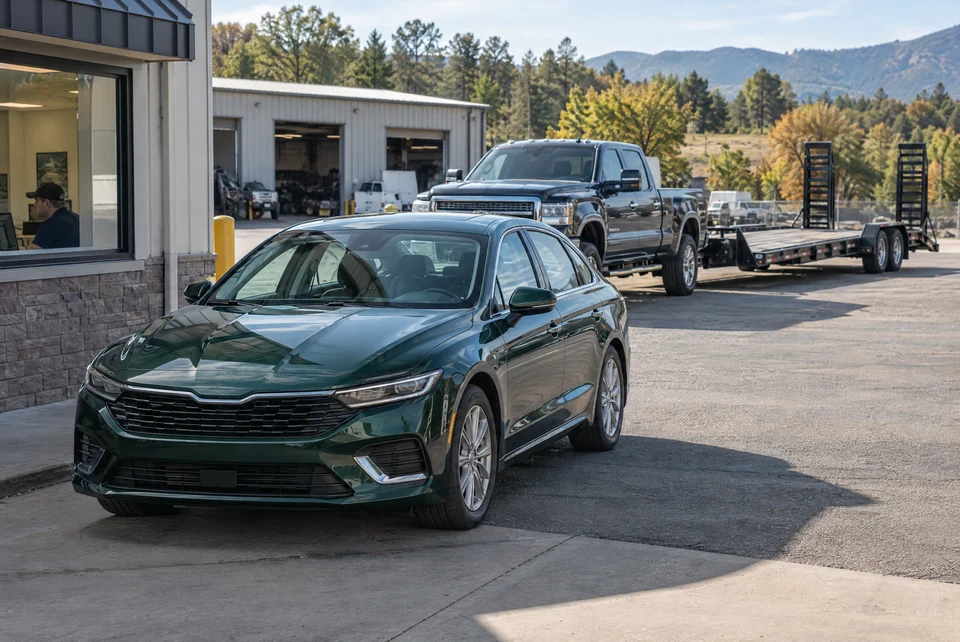
Do not assume that a marketing name, website photograph or dispatch contact proves fleet ownership. Ask which company is arranging the shipment and which company is expected to perform it.
Find out what is confirmed.
At the initial quote stage, the carrier may not yet be assigned. Ask when that assignment is expected and which shipment details are already confirmed. A price estimate and a finalized transport arrangement are different milestones.
When a carrier is assigned, obtain the legal business name, contact information and relevant registration details. Use the appropriate official resources to review current information rather than relying only on a badge in a website footer.
Know where each question belongs.
The booking contact may help coordinate timing and paperwork, while the operating carrier is responsible for the truck and physical handling. Coverage questions may require clarification from the insurer or authorized insurance representative.
Agree on the communication plan before pickup. If something changes, it should be clear whom to contact and how the update reaches the releasing and receiving people.
Compare the written arrangement.
A useful comparison addresses the full shipment: transport type, dates, vehicle condition, access, price and terms. The business label alone does not tell you whether the proposed arrangement fits your needs.
Review what happens if the vehicle is not ready, the assigned equipment is unsuitable or you need to cancel. Ask for unclear points to be explained in writing.
- Legal name and role of each business
- Carrier-assignment status
- Proposed transport type and loading requirements
- Pickup and delivery communication contacts
- Applicable insurance information
- Written price, payment and cancellation terms
Use transparency as a practical test.
The goal is not to choose a provider based only on one label. It is to understand the arrangement well enough to make an informed decision. Clear roles and clear documents make that easier.
Driveline’s website focuses on reviewing and coordinating transport requirements. Confirm the parties and shipment-specific terms during the booking conversation rather than drawing conclusions from creative vehicle imagery.
Plan your next step
Car shipping quote warning signs: check the promise before paying ↗How to compare car shipping quotes beyond the headline price ↗Car-shipping insurance: what to verify before pickup ↗How to verify the assigned carrier before releasing your car ↗Sources & further reading
Explore the service
Open car transport ↗Published by Driveline Logistics. Guides explain planning considerations; shipment-specific equipment, availability and written terms are confirmed before booking.