
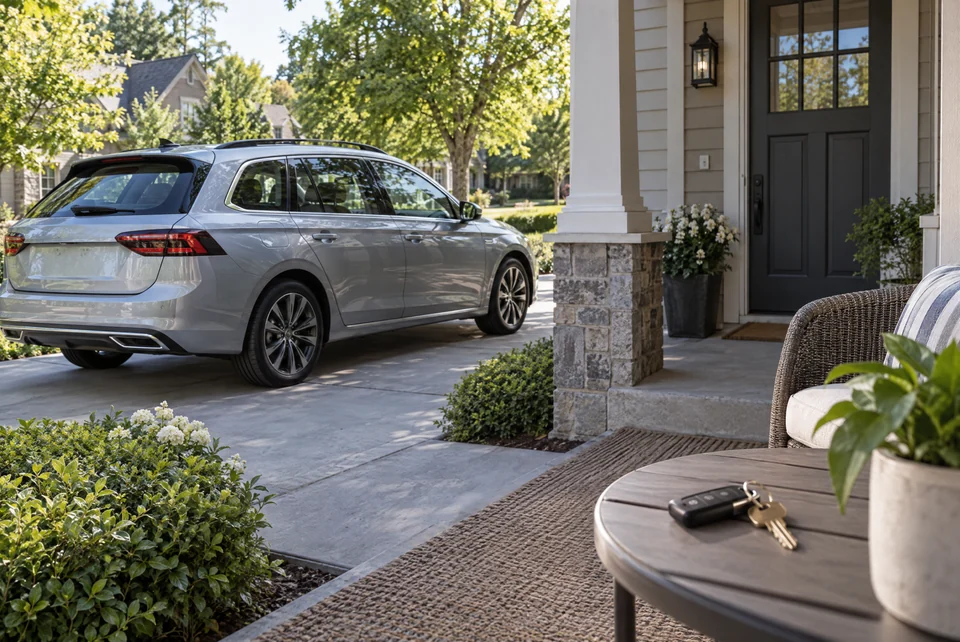
A flight change, delayed home closing or an earlier transport arrival can put your car at the destination before you. A trusted receiver can make that workable, provided the transport provider accepts the arrangement and the person understands the job. Receiving a shipment involves inspecting the car, handling documents and securing it afterward. Arrange those responsibilities before the truck reaches the neighborhood.
What to know first
- Name and authorize a receiver before delivery coordination begins.
- Give the receiver pickup photos, document instructions and an escalation contact.
- Confirm lawful parking and key custody until you can collect the car.
Choose someone who can complete the handoff.
Ask a person who can be physically present, communicate with the driver and spend time checking the car. A neighbor who can accept a parcel may not be available for vehicle inspection or a meeting point away from your home. Explain the expected responsibilities before sharing their number.
Confirm with the transport provider how to authorize that person and what identification they should have. Use the same name and mobile number across the booking and delivery instructions. If you designate a backup, make clear when that backup may act.
Give the receiver a compact information packet.
Send the vehicle’s year, make, model, color and a suitable identifying reference, plus the pickup condition report and original photos. Include the transport contact, expected coordination process and any agreed balance-payment instructions. Do not make the receiver reconstruct the booking from a long message thread.
Explain special operating instructions, alarm behavior and where the keys belong after delivery. If the receiver will drive the car, separately confirm permission and any relevant insurance or licensing requirements with the appropriate provider. Authority to sign for delivery is not a substitute for checking those arrangements.
Walk through the inspection in advance.
Ask the receiver to compare the car with the pickup record before completing the delivery paperwork. They should check visible body panels, glass and wheels, record the odometer and photograph any concern from both close and wider views. Send a short checklist so the inspection does not depend on memory.
If they notice something new, they should describe it accurately on the available delivery record and contact you and the transport provider promptly. They should obtain a copy of what they sign. A condition notation is useful evidence; ask separately about the applicable claim procedure and deadlines.
Arrange a place for the car after unloading.
A driveway may be occupied or inaccessible, and a residential street may have parking restrictions. Confirm a lawful parking space for the entire period until you arrive. If a gate, garage or managed building is involved, arrange access with the person who actually controls it.
Agree on whether the receiver leaves the car where it was unloaded or moves it to another location. Record any movement and keep the vehicle secure. Avoid putting keys in an unapproved drop location or assuming a building receptionist will hold them.
Prepare for delivery while you are unreachable.
Flights and work commitments can make real-time decisions difficult. Before you lose service, give the receiver clear limits: who may approve a different meeting point, whom to call about a disputed charge and what to do if they cannot inspect safely.
If nobody is available, contact the coordinator before arrival to discuss another arrangement. Storage, redelivery or a changed destination requires an agreed plan and may have separate terms. Do not assume the carrier can hold the car indefinitely or leave it unattended.
Confirm the final handoff back to you.
Ask the receiver to send the signed record, delivery photos, key location and exact parking location immediately after receipt. When you arrive, compare the car with those records and raise any concern promptly through the specified process. The NAIC’s general claims guidance also recommends retaining notes of insurance conversations.
- Can the receiver inspect and sign, or only provide property access?
- Who takes over if the truck arrives during their work shift?
- Where may the vehicle remain overnight without being towed?
- What decision can the receiver make while you are in the air?
Plan your next step
Review door-to-door coordination ↗Share your delivery constraints ↗Sources & further reading
Explore the service
Door-to-door car shipping ↗Published by Driveline Logistics. Guides explain planning considerations; shipment-specific equipment, availability and written terms are confirmed before booking.