
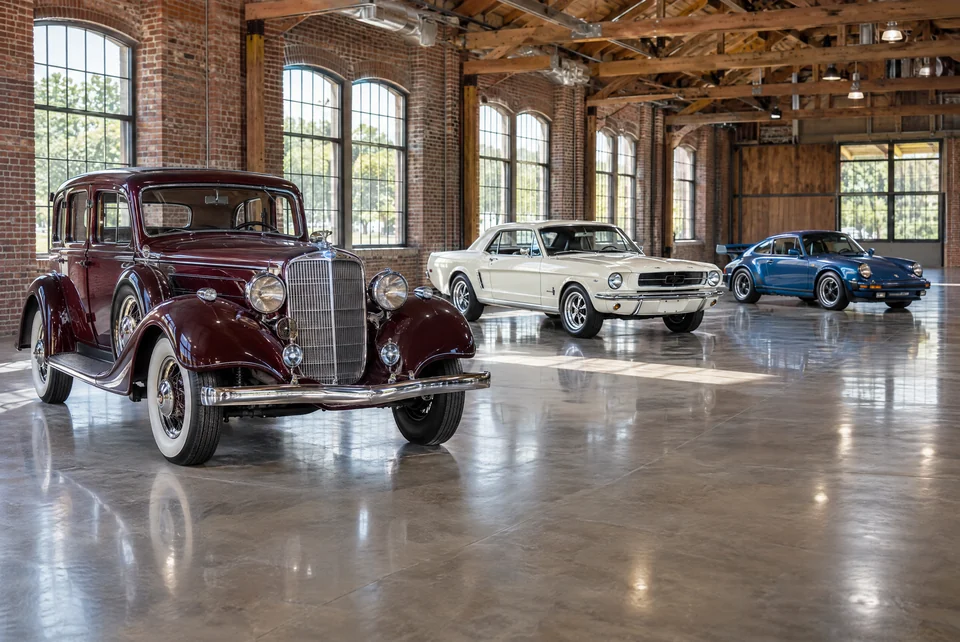
Moving a collection is an inventory and handoff project as much as a transport booking. Vehicles may differ in condition, value, operating method and conservation needs even when they share one building. Build the plan around individual unit records, then coordinate release order and destination capacity across the whole group.
What to know first
- Maintain a separate condition and handling record for every vehicle.
- Sequence releases around readiness, access and destination staging capacity.
- Assign responsibility for each vehicle, accessory and receiving inspection.
Create a master list with reliable identifiers.
Give every vehicle a unique collection or shipment reference and record its year, make, model and appropriate identifying number. Add pickup room or bay, destination location, responsible contact and transport priority. Keep the same reference on photographs, instruction sheets and accessories inventories.
Identify who can authorize changes to the list. If one vehicle is substituted, update the provider explicitly; equal vehicle counts do not imply equal dimensions, loading needs or capacity. Maintain a dated version so staff are not releasing units from different copies.
Assess each vehicle without forcing operation.
For every unit, document whether it starts, rolls, steers and brakes, plus key availability, tire condition and known leaks. Mark unknowns clearly. A display vehicle may have been intentionally made inoperable, and starting it simply to simplify shipping can conflict with its care plan.
Have the collection’s qualified staff or conservator provide handling limits for fragile finishes, historic materials or preserved components. Ask the provider to review those limits before acceptance. Avoid a single instruction such as “handle all cars as classics” when the units require different treatment.
Select equipment and group compatible units.
Send dimensions, reliable weight information and loading constraints for the full list. Discuss which vehicles can share an arrangement and which need separate equipment or dates. Trailer capacity depends on the actual mix, not a fixed number of cars per truck.
FMCSA’s securement guidance establishes requirements for transported cargo, but it does not resolve an individual collection vehicle’s fragile structure or acceptable contact points. The transport provider and responsible technical staff should agree on suitable loading and restraint arrangements for each unusual unit. Modified vehicles need manual quoting.
Map the route through both buildings.
Walk the path from each current display or storage position to the loading area. Record doors, turns, slopes, surface changes and temporary obstructions. Determine which vehicles must move first to make others accessible and whether facilities staff must remove barriers.
At the destination, assign staging spaces that allow unloading, inspection and onward placement without blocking later arrivals. If final exhibit installation requires specialist equipment or personnel, plan that work separately. A delivery booking should not silently expand into moving vehicles through an unfinished gallery.
Control the release order and custody record.
Appoint a release coordinator and a receiving coordinator with authority to reconcile the list. Set workable attendance windows and a way to communicate changes. Photograph each vehicle immediately before release, identifying existing marks and approved accessories.
Record which keys, manuals and accepted removable components accompany each unit. Keep archives, valuable provenance documents and unrelated objects in their agreed separate process. Reconcile the driver’s vehicle assignment with the current master list before handover, and retain copies of the individual condition records.
Receive by unit and close the exceptions.
Inspect and acknowledge each vehicle individually rather than signing off a whole collection by count. Compare condition photographs, check accessories and record the receiving location. Make sure the person doing this has access to the relevant preservation and handling instructions.
Keep a short exception list for discrepancies, missing items and follow-up assessments, with an owner for each action. Ask the assigned carrier about coverage limits, exclusions and claims handling before the move; collection size or enclosed equipment does not establish unlimited protection. Close the project only when the unit list and receiving records agree.
Plan your next step
Discuss the vehicle and loading requirements ↗Request a transport quote ↗Sources & further reading
Explore the service
Multi-car & fleet transport ↗Published by Driveline Logistics. Guides explain planning considerations; shipment-specific equipment, availability and written terms are confirmed before booking.