
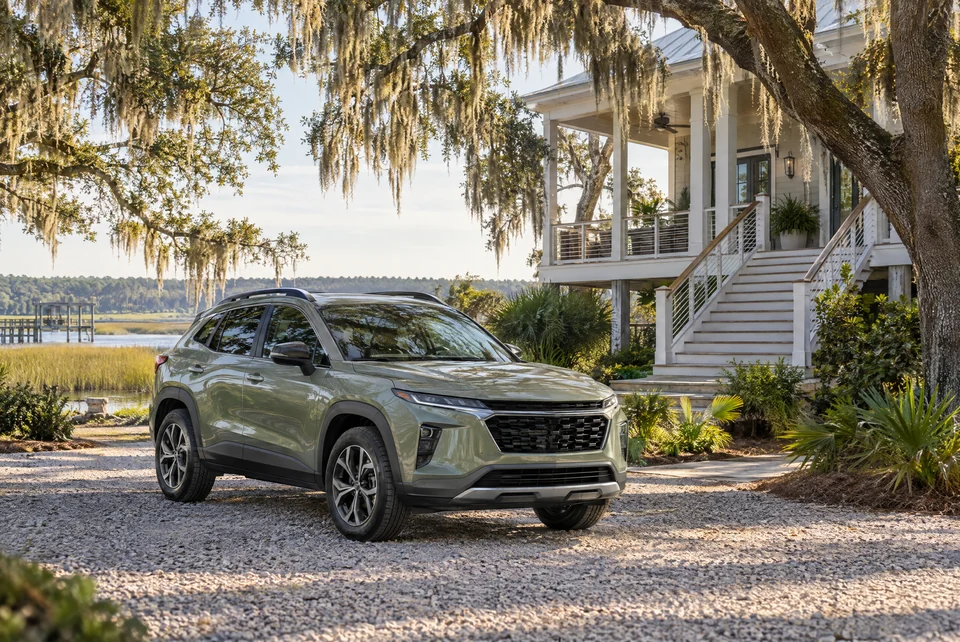
South Carolina car shipping works best when the address is translated into a usable handoff plan. A coastal community may require gate approval, a Charleston property may have limited loading space and an inland seller may keep the car well away from the public road. Confirm the physical location, local permissions and responsible people together.
What to know first
- Confirm coastal community access with the property operator.
- Check both bridge approaches and the final loading area.
- Make the seller’s release and the receiver’s availability explicit.
Coastal community access starts with the office.
For Hilton Head-area communities, Myrtle Beach condominium properties or other gated destinations, ask how a vehicle transporter should be handled. Establish visitor registration, delivery hours, entrance restrictions and whether a full-size carrier can reach an approved loading space. A resident’s entry pass does not answer all those questions.
Get a named person who can resolve access problems during the handoff window. If the community requires a meeting outside its gates, agree on a suitable location and permission to use it. The receiver must be able to bring the delivered car from that point to the property.
Charleston and island approaches need local detail.
Describe a Charleston pickup by its actual street and loading entrance, especially in compact neighborhoods where parked cars or limited turning room may affect access. For an island address, identify the relevant approach and any narrow streets after the crossing. Leave equipment-specific routing to the carrier.
A bridge disruption or severe weather can affect both the truck and the person meeting it. Choose a fallback based on usable access from both directions. Moving the meeting to the other side of a crossing is not helpful if the owner cannot reach it with the vehicle.
Inland handoffs should use the place where the car really sits.
In Columbia, Greenville, Spartanburg or smaller inland communities, distinguish the seller’s address from a storage yard, service department or rural property where the car is parked. Provide the entrance and surface description, including tight turns or an unpaved section. Confirm enough space exists for inspection and loading.
If a dealership offers a nearby inventory area, ask which staff member controls access and whether the vehicle will be staged there. For a private property, verify the gate arrangement and turnaround. Do not nominate a commercial lot as a meeting point until its operator and the driver have agreed.
Check SCDOT information close to the move.
SCDOT’s travel page links to SC 511 cameras and traffic information, its roadway condition system, bridge information and evacuation resources. The condition system covers construction, maintenance and emergency events. Consult the live resources for the relevant roads rather than treating a past report as evidence of current access.
If weather or a closure affects the plan, contact the coordinator before relocating the car. Record who will hold it if pickup is postponed and whether the receiver can accept a revised window. A clear main-road report should be supplemented by a local check of the driveway, gate and loading surface.
Complete release and receiving checks as a pair.
A ready seller is only half the arrangement. Ask the destination contact to confirm the same kind of details as the origin: access, hours, keys after delivery and inspection space. If the owner is traveling, arrange an authorized representative who can remain reachable and review the car’s condition.
- Confirm the correct vehicle and the person authorized to release it.
- Finish dealership or storage paperwork and locate all required keys.
- Report starting, steering, braking, leaks and any modifications.
- Take clear condition photos and retain the pickup record.
- Give both contacts the agreed location, availability window and backup number.
Choose service after reviewing access and condition.
For a normal daily driver, compare open transport with enclosed shelter according to your priorities. A low or modified vehicle requires specific loading review; a non-running car needs details about what still works. Neither transport category guarantees entry into a restricted coastal community.
Driveline’s approximate ZIP-based miles do not establish the actual route across bridges or through local streets. Read the published pricing method and include these access details when requesting a quote. Final booking, equipment, timing expectations and the written price are confirmed manually after the complete move is reviewed.
Plan your next step
Understand door-to-door service ↗Plan an apartment or gated-community handoff ↗Prepare for delivery inspection ↗Review prices and mileage assumptions ↗Request a South Carolina transport quote ↗Sources & further reading
Explore the service
Door-to-door car shipping ↗Published by Driveline Logistics. Guides explain planning considerations; shipment-specific equipment, availability and written terms are confirmed before booking.