
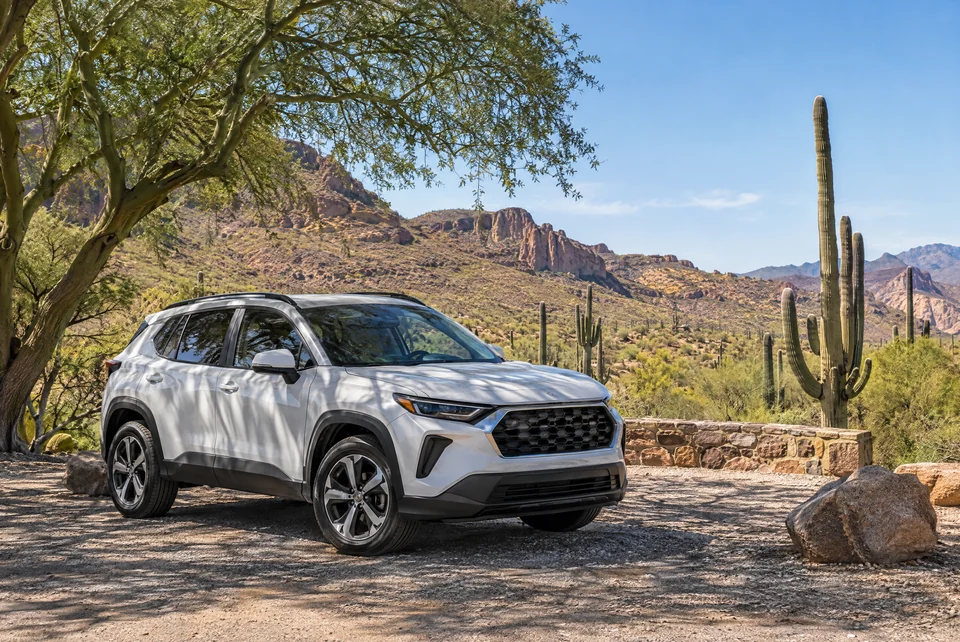
Arizona is not one uniform transport environment. A Phoenix or Tucson handoff can involve heat, busy parking areas and seasonal arrival schedules; a northern destination adds a different elevation and road-condition picture. Define the final location and the car’s actual readiness first, then ask for a transport plan that fits those facts.
What to know first
- Treat desert and northern Arizona access as separate planning questions.
- Check battery, tire and fluid concerns before the collection window.
- Name the person who can receive the vehicle if your seasonal arrival changes.
Plan the desert handoff around the people present.
For Phoenix and Tucson, give the property entrance and available loading area, especially at gated communities, apartment complexes and resorts. Explain whether a guard needs advance notice. An accessible visitor space for a sedan does not establish enough space for a carrier to unload.
In hot conditions, arrange a practical place for the releasing or receiving person to wait and keep communication active. Discuss a workable handoff window without promising a particular cool hour. The loading location still needs the carrier’s approval even if a shaded nearby area looks convenient.
Check readiness without assuming transport is a repair service.
ADOT’s heat guidance emphasizes battery condition, coolant and other fluid checks, and proper tire condition and inflation. Use the vehicle manufacturer’s instructions or a qualified technician for maintenance questions. Resolve known concerns before collection where possible, and report anything that remains unresolved.
These checks help describe the car; they do not guarantee it will start at pickup or delivery. A weak battery, leak or tire that loses air can alter the loading plan. Do not wait until the truck arrives to explain that the vehicle only runs with outside assistance.
- Confirm the battery and starting system are functioning normally.
- Check tires using the vehicle’s specified pressure and condition guidance.
- Have fluid concerns or visible leaks assessed appropriately.
- Remove personal belongings, loose accessories and heat-sensitive items.
- Provide a working key and concise operating instructions.
Treat northern elevation as a different route question.
A shipment to Flagstaff or another northern community should not inherit a Phoenix weather assumption. Ask the local contact about the actual property approach and seasonal access. Mountain or higher-elevation conditions may affect the handoff even when the origin is warm and dry.
ADOT’s AZ511 provides highway incidents, closures, construction and cameras. Review the relevant corridor and share an important change with the transport team. Its route information supports planning, but the carrier must assess its own equipment and decide whether a proposed approach is suitable.
Separate seasonal arrival from vehicle delivery.
For a winter stay, write down when you will have access to the residence and who can accept the car before or after your own arrival. Rental check-in, a flight landing and a transport delivery estimate are separate events. Avoid making one narrow appointment carry all three.
If your community has move-in rules or a designated commercial entrance, obtain them before requesting pickup. Discuss capacity for the actual travel period rather than assuming a seasonal pattern guarantees space or price. A flexible receiver can help only if they have agreed to the responsibility.
Make remote access concrete.
Outside the larger cities, identify the last reliable meeting area and describe the road from there to the property. Include gates, unpaved sections, steep entries and limited phone coverage. A map pin on a long rural parcel does not tell the driver where to stop.
If the property cannot accept the equipment, propose an approved commercial meeting point with room to maneuver. Confirm that the car and the receiver can reach it and that someone will have a ride home after release. Do not use a highway shoulder as a substitute loading plan.
Match equipment and price to the request.
Open transport and enclosed shelter involve different choices; neither removes the need to check access and loading. For a lowered car, splitter or altered suspension, provide measurements and request manual review rather than relying on the standard model description.
Driveline’s ZIP-based mileage estimate is approximate and cannot resolve desert detours or northern property access. Submit the actual locations, condition and date flexibility, then confirm equipment, final price and receiving arrangements manually before booking.
Plan your next step
Enclosed transport options ↗Modified-vehicle review ↗Low-clearance preparation ↗Request a preliminary quote ↗Plan Arizona–Midwest transport in either direction ↗Sources & further reading
Explore the service
Enclosed auto transport ↗Published by Driveline Logistics. Guides explain planning considerations; shipment-specific equipment, availability and written terms are confirmed before booking.