
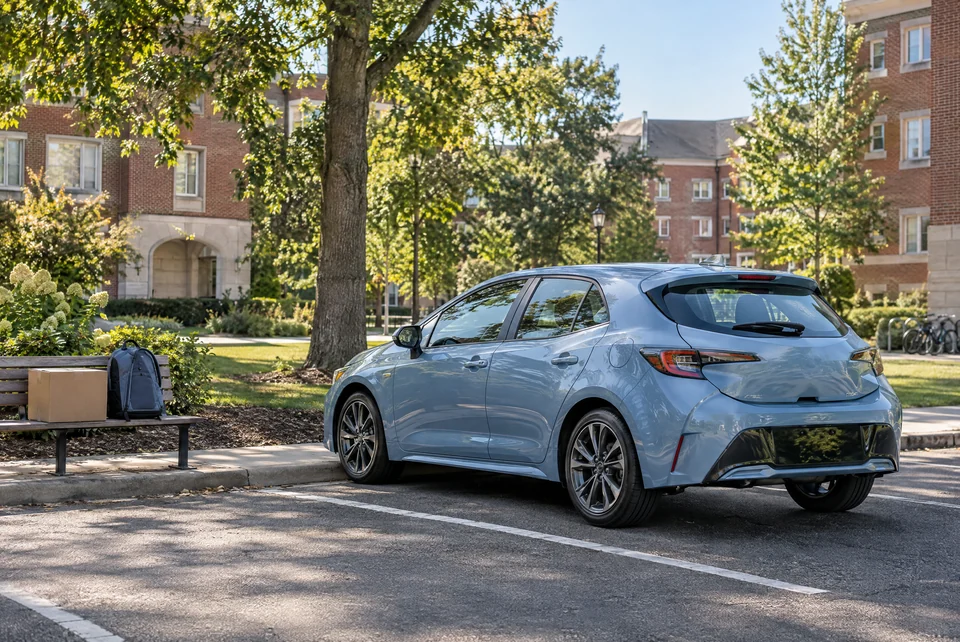
For a college move, the first useful question is where the car will stay when it arrives. A residence-hall assignment does not necessarily include parking, and move-in access may only cover a short unloading visit. Confirm parking and a receiving plan before choosing transport dates. Then coordinate the vehicle shipment with the student’s travel, class schedule and family availability.
What to know first
- Confirm parking eligibility and the permit start date before shipping.
- Use an approved loading location with room for the assigned transporter.
- Give the receiving student clear inspection instructions and a backup contact.
Confirm that bringing the car works.
Check the school’s current parking and housing information for the student’s situation. Ask about residential versus commuter eligibility, application dates, assigned lots and vehicle registration in the permit system. A parent’s experience from a previous year may not describe the current rules.
UCLA, for example, publishes student permit applications and separate eligibility guidance. Use that as a reminder to read your own campus policy, not as a national rule. If the student is awaiting approval, identify lawful off-campus parking and its cost before authorizing a shipment.
Build the schedule around actual availability.
List the flight or drive arrival, housing check-in, orientation and first class. Mark the hours when the student can answer calls and meet a driver. Avoid placing the entire receiving plan inside a short gap between an airport arrival and a required campus event.
If the family leaves immediately after move-in, decide whether the student will handle a later delivery independently. Choose a backup adult only with that person’s agreement. Ask the provider what happens if the proposed delivery day changes and make sure the receiver can still reach the handoff location.
Separate campus access from truck access.
Contact campus transportation or housing about commercial vehicle restrictions and approved loading areas. Move-in passes for personal cars may not authorize a long transporter to enter a residential loop. Share narrow roads, gates, pedestrian areas and clearance restrictions with the coordinator.
Agree on a nearby lawful meeting point if the truck cannot approach the residence. Confirm permission to use it and how the student will get there. A large parking lot is not automatically available for unloading; avoid relying on a map image without checking the owner’s rules.
- Does the loading area require a reservation?
- Can the receiver wait safely during inspection?
- Who drives the vehicle from the meeting point to its parking space?
Keep the vehicle out of the moving-box plan.
Pack textbooks, electronics, medication and move-in essentials separately. Ask the assigned carrier about any permitted items rather than filling the car with dorm supplies. Loose belongings can interfere with inspection and may not be accepted or covered under the vehicle shipment terms.
Check that the car starts reliably, has working keys and matches its quoted condition. Disclose low clearance, roof cargo equipment, leaks or a weak battery. Photograph the exterior and interior before release, and keep the images somewhere the receiving student can access on a phone.
Teach the handoff before delivery day.
Explain that receiving the car involves more than collecting the keys. Send the pickup condition record, vehicle identification details, coordinator’s number and any agreed payment instructions. Tell the student to allow time to compare the vehicle with that record and obtain their copy of the delivery paperwork.
If they notice a new concern, they should photograph it, record it on the applicable document and contact the coordinator promptly. They should ask questions about unclear forms before signing. Give them an adult support contact without making them wait for someone to answer before recording visible facts.
Plan for the rest of the academic year.
Ask where the car can remain during long breaks, whether the parking permit expires before the student leaves, and who has access if the student travels without it. These answers may change whether a return shipment is useful or whether a different receiving address is more practical.
For the initial quote, provide the real release and receiving contacts, available dates and parking constraints. Driveline’s ZIP-based miles are approximate and the final booking requires manual review. A school start date communicates a need; it does not itself establish a guaranteed delivery appointment.
Plan your next step
Prepare the car for pickup ↗Plan apartment and gated access ↗Review open transport ↗Sources & further reading
Explore the service
Open car transport ↗Published by Driveline Logistics. Guides explain planning considerations; shipment-specific equipment, availability and written terms are confirmed before booking.