
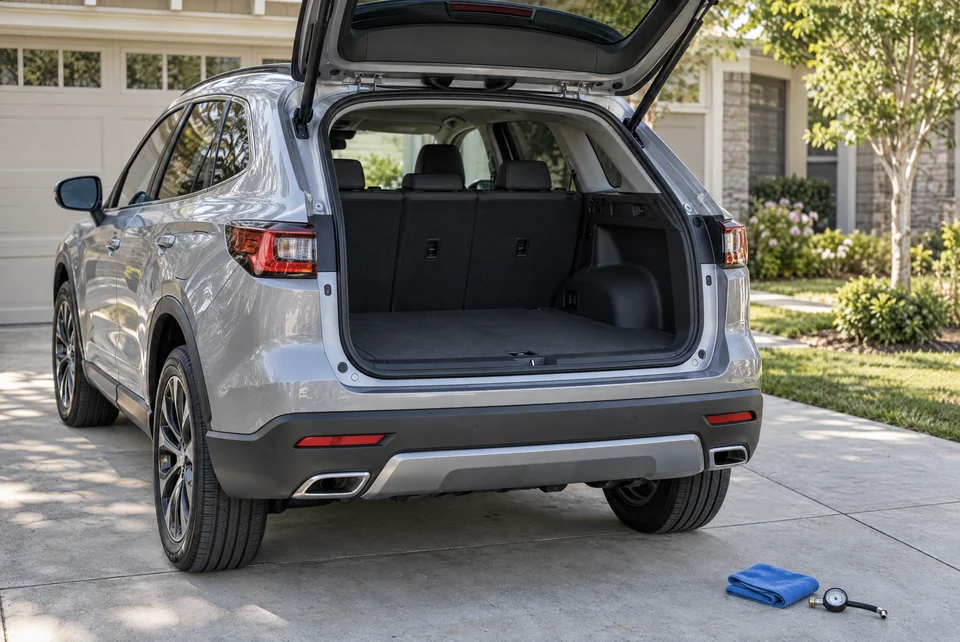
Good preparation makes pickup easier for the owner, the releasing contact and the driver. The goal is simple: make the car ready to move, make its condition easy to record and make sure the people at both ends understand their responsibilities. Confirm the assigned carrier’s specific instructions before pickup.
What to know first
- Prepare the condition record while the vehicle is easy to inspect.
- Remove loose belongings and discuss accessories or modifications.
- Confirm keys, authorized contacts and a practical loading location.
Make the condition visible.
Clean the exterior enough to see the paint and existing marks. Take clear photos of each side, the front and rear, wheels and any known damage. Add closeups where a wider image does not explain the condition. Keep the original files together rather than relying only on compressed messaging-app copies.
Record the interior condition and odometer if those details are relevant to your handover. Photos support the inspection process; they do not replace the condition notes or transport paperwork completed with the driver.
Prepare the car to be moved.
Confirm that it starts, steers and brakes as described in the booking. Disclose warning lights, a weak battery, leaks, flat tires or special starting instructions before arrival. If the condition changes after the quote, tell the coordinator promptly.
Follow the carrier’s fuel or charge instructions and the vehicle manufacturer’s handling guidance. There is no single battery percentage or vehicle mode that applies to every car. For example, Tesla’s Model 3 transporter instructions require a detected key and low-voltage power to enable Tow Mode. Check the manual for your own vehicle and provide working keys and any model-specific instructions before pickup.
Remove and secure the right items.
Take out valuables, loose personal belongings, toll devices where appropriate and items that could move around inside the car. Do not treat the vehicle as an extra moving container without written approval. Personal-property acceptance and coverage can differ from the vehicle transport arrangement.
Discuss removable accessories, roof racks, external antennas, loose trim and aftermarket parts. Avoid making last-minute modifications that change dimensions or clearance without updating the loading plan.
Prepare the people and the location.
Give the pickup contact the expected process, the coordinator’s phone number and the authority to release the car. The destination contact should know that they need to review the vehicle and documentation at handover.
Explain gate codes, receiving hours, narrow streets, overhead restrictions and any reason a large truck cannot reach the property. A nearby meeting point is easier to organize in advance than during a blocked pickup.
- Working keys or fobs ready for handover
- Pickup and delivery contacts confirmed
- Existing condition photos saved
- Loose belongings and valuables removed
- Special instructions communicated in writing
- Loading access or meeting point agreed
Leave time for the inspection.
Do not plan the pickup as a rushed key exchange. Review the condition notes and keep a copy of the paperwork. Ask questions if the vehicle, carrier or instructions differ from what was confirmed.
At delivery, compare the car with the pickup record and document any new concern promptly. A calm, complete handover is more useful than trying to reconstruct the details later.
Plan your next step
How to photograph a car before transport: a repeatable shot list ↗Vehicle transport and the odometer: what to record at each handoff ↗Can you leave personal belongings in a shipped car? ↗Toll transponders and car shipping: prepare before pickup ↗Use an AirTag or Bluetooth tracker responsibly during transport ↗Sources & further reading
Explore the service
Door-to-door car shipping ↗Published by Driveline Logistics. Guides explain planning considerations; shipment-specific equipment, availability and written terms are confirmed before booking.