
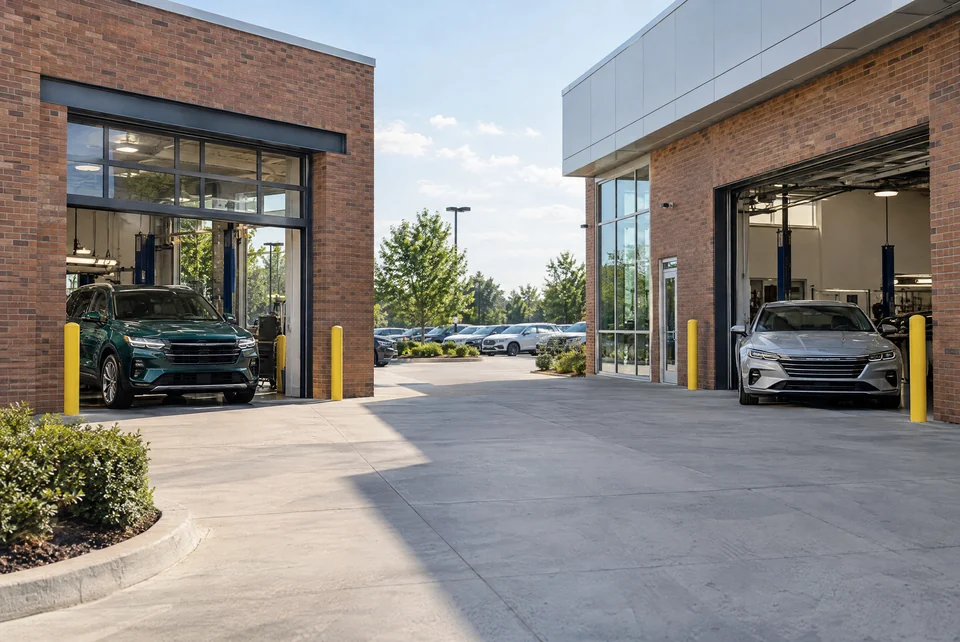
A dealer trade can involve two vehicles moving in opposite directions, different internal approvals and separate receiving teams. The simplest control is to treat each movement as its own shipment while tracking the relationship between them. One dealership’s readiness should never be mistaken for confirmation that both sides are ready.
What to know first
- Keep separate VIN, release and condition records for each direction.
- Name the decision-maker and handoff contact at both dealerships.
- Confirm linked timing requirements without assuming one truck performs both legs.
Create a two-direction movement record.
For each vehicle, record the VIN or stock reference, year, make, model, origin and destination. Add the requesting dealership, release contact and receiving contact. Identify whether the two moves must be coordinated or can occur independently.
Use clear names such as “Vehicle A: north store to south store” in correspondence rather than “the return car.” If a replacement unit enters the trade, update the identifying details, vehicle condition and quote request. Do not let an old stock number remain on the pickup instructions.
Separate business approval from physical readiness.
Ask each dealership to confirm its own release requirements, including internal authorization and any outstanding transaction steps. Record who can say the vehicle is cleared for collection. A salesperson’s expectation is not the same as the releasing department having completed its checks.
Then confirm that the vehicle is physically ready: keys located, accessories identified and preparation completed to the agreed stage. If it is still in service, detailing or another location, give the transporter the real readiness status. Finalize dispatch using confirmed availability rather than a hoped-for completion time.
Describe condition and special equipment needs.
Provide current running, rolling, steering and braking status, plus modifications, unusual dimensions or low clearance. Include photographs when a standard stock description leaves uncertainty. A dealership unit may still require non-running or specialty review, and modified vehicles require a manual quote.
Choose open or enclosed transport around the vehicle and agreed priorities. Ask about the actual loading method when clearance matters. If the trade contains two different vehicle types, confirm equipment suitability for each instead of assuming one accepted vehicle means both can use the same arrangement.
Coordinate receiving hours and access on both legs.
Confirm the correct entrance, transporter staging area, receiving hours and weekend restrictions at each store. Give the provider a named person who can accept the car and review its condition record. Establish a backup contact for shift changes or days off.
Ask whether the proposed movements use the same carrier or separate arrangements and what has actually been confirmed. A reciprocal trade does not promise an immediate backhaul. If the business needs simultaneous exchange or a firm deadline, state it before booking and obtain the proposed commitment in writing.
Verify the assignment and perform the pickup check.
Before release, compare the arriving assignment with the expected carrier, shipment reference and vehicle. Resolve discrepancies through the established transport contact. FMCSA advises checking interstate auto brokers and carriers for registration; that verification supports due diligence but is not a delivery or coverage guarantee.
Have the releasing employee inspect the vehicle with the driver and retain the pickup record. Photograph existing marks, record keys and accepted accessories, and ensure the correct vehicle leaves. Use the dealership’s agreed document process rather than relying on loose paperwork placed inside the car.
Close each shipment before closing the trade.
At arrival, the receiver should verify the vehicle identity, compare condition with the pickup record and count accepted accessories. Note discrepancies accurately and follow the carrier’s reporting process promptly. Send the delivery acknowledgment to the person coordinating that particular leg.
Track unresolved issues separately from the other shipment so a delay or discrepancy does not disappear inside a general “trade complete” message. Reconcile both release and delivery records before closing the transport task. For recurring trades, keep the contact and access template, but re-confirm readiness and condition for every new pair of vehicles.
Plan your next step
Discuss the vehicle and loading requirements ↗Request a transport quote ↗Sources & further reading
Explore the service
Dealership auto transport ↗Published by Driveline Logistics. Guides explain planning considerations; shipment-specific equipment, availability and written terms are confirmed before booking.