
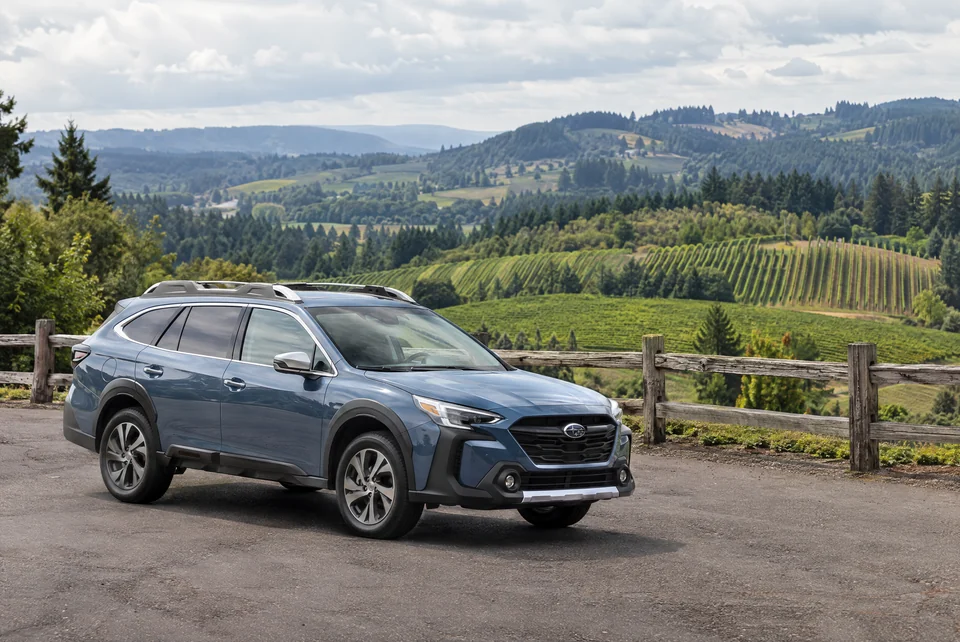
Oregon vehicle transport benefits from identifying the destination’s setting early: a Willamette Valley city, a coastal community or a property reached through mountain roads. Those settings create different handoff questions. Start with the actual address, then describe the approach, an alternate meeting area and how the car will be documented if the inspection happens in rain.
What to know first
- Identify whether the final approach is urban, coastal or mountain access.
- Take clear condition photos before rain or poor light complicates inspection.
- Use TripCheck and a local contact together to assess the planned handoff.
Work through the Valley street access.
A Portland, Salem or Eugene address may sit near a main corridor while still being difficult for a transporter to enter. Explain one-way streets, curbside parking, narrow entrances and apartment loading arrangements. A garage address should include a plan for bringing the car outside.
Ask the property manager about a suitable off-street area and obtain permission before offering it as a meeting point. Send the entrance and available hours to the coordinator. Where the original block is unsuitable, review a nearby location that both the vehicle and receiving person can reach.
Describe the coastal approach beyond the town name.
For a coastal delivery, identify the actual community and the road between it and the property. A home above the coast, a narrow beach-access lane and a commercial lot beside a main route require different loading plans. Include steep driveways, tight corners and limited turning space.
Do not assume a transporter can wait on a road shoulder while the receiver arrives. Discuss a permitted, accessible meeting area in advance. If the owner is away, ask the local contact to verify the space and any property access restrictions before final coordination.
Review mountain and southern approaches separately.
A destination around Bend or beyond a Cascade crossing needs its own road-condition check. Southern Oregon travel can also involve higher-elevation conditions; ODOT’s winter-highway guidance specifically discusses the Siskiyou Pass on I-5. Conditions at a Valley origin do not describe those approaches.
ODOT directs travelers to TripCheck when planning and before setting out. Use the service for current road information, then discuss meaningful changes with the transport team. A map showing a road is open does not guarantee that a private mountain driveway or proposed loading surface is usable.
Make wet-weather documentation useful.
If possible, clean and photograph the car before the pickup window so existing marks are visible. Capture consistent wide views, wheels, bumpers and close-ups of damage. Keep the original files with the date and make the same set available to the person receiving the car.
At handoff, work with the driver to record the condition actually visible. Water, dirt and poor lighting can obscure detail, so note those limitations rather than guessing. Avoid aggressive wiping that could damage the finish. Arrange enough time and light for a careful comparison when conditions allow.
- Full views of the front, rear and both sides.
- Wheel, glass and bumper details with existing marks identified.
- Pickup documentation accessible to the receiving contact.
- A safe inspection area with useful lighting.
- A written record of any visibility limitation or concern at handoff.
Keep the alternate location and contact together.
A changed meeting point only works if the person releasing or receiving the car knows how to get there. Record the approved address, entrance, permission and direct phone number in one message. Explain who can move the car and who can attend a revised window.
For a non-running vehicle, a location change may need additional equipment or assistance. A lowered or modified vehicle may also have trouble with the approach to an otherwise roomy lot. Request manual review instead of assuming the alternate solves every access problem.
Compare the transport request on complete facts.
Choose open or enclosed transport around the car and your exposure preferences, then review the actual loading arrangement. Tell the team about clearance, dimensions or modifications that a make-and-model description misses. Enclosed shelter does not establish that a steep driveway is accessible.
Driveline’s preliminary mileage uses approximate ZIP-based distance rather than a confirmed coastal or mountain route. Include the actual handoff locations and date flexibility, and confirm final price, equipment and receiving arrangements manually before booking.
Plan your next step
Enclosed transport planning ↗Custom-vehicle review ↗Preparing a low-clearance vehicle ↗Delivery-day inspection ↗Request a preliminary quote ↗Sources & further reading
Explore the service
Enclosed auto transport ↗Published by Driveline Logistics. Guides explain planning considerations; shipment-specific equipment, availability and written terms are confirmed before booking.