
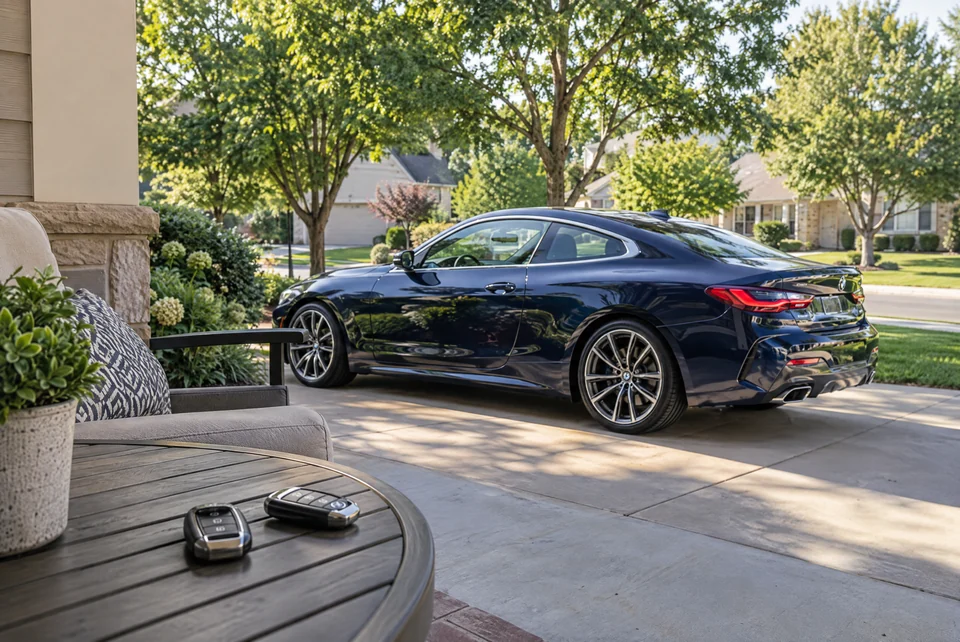
In a private-party sale, the buyer, seller and transporter each control different parts of the transaction. Agree on payment and ownership paperwork between buyer and seller, then give the transporter a clear release instruction. A truck arriving at the seller’s address does not verify the sale, establish that funds are final or resolve a title problem. Plan the order of events before dispatch.
What to know first
- Set a written release trigger between buyer and seller before scheduling pickup.
- Handle title, payment and state reporting through the appropriate parties.
- Verify the collecting carrier and record condition while both contacts are available.
Agree on the transaction sequence.
Write down the vehicle identity, sale terms, payment method, required documents and the point at which the seller will release the car. If a lender or another owner must participate, resolve that process first. Ask the relevant bank or lender how payment status and any lien-release steps will be confirmed.
Keep the driver outside the purchase-payment decision. A transfer screenshot or a buyer’s statement that payment was sent should not replace the seller’s agreed verification process. If payment remains unresolved, notify the transport coordinator before a truck is sent to collect a car that cannot leave.
Check the applicable ownership paperwork.
Consult the motor vehicle agencies for the sale and destination states about title signatures, odometer disclosures, plates, registration and seller reporting. Requirements and deadlines differ. Ask questions early if the title is missing, electronic, in another name or still subject to a lien.
California DMV, for example, publishes separate private-sale registration and seller transfer-reporting requirements. Those California procedures should not be presented as national rules. Keep copies of completed sale documents and arrange any required originals through an agreed secure handoff rather than leaving them casually in the glovebox.
Agree who is buying the transport.
Decide whether the buyer or seller selects the provider, signs the transport agreement and pays the transport charges. Give the other party the coordinator’s contact information and the agreed pickup window. Avoid having both parties book carriers for the same vehicle.
Review the provider’s role and the actual carrier assignment. FMCSA distinguishes automobile carriers from brokers that arrange transport. When the collecting company is identified, verify it against the coordinator’s instructions through an established contact, especially if an unexpected driver arrives or the instructions suddenly change.
- Who may approve a pickup-date change?
- Who receives the transport invoice?
- Who should the seller call to verify the arriving carrier?
Give the seller a manageable release task.
Confirm the pickup address, available hours, working key and the authorized adult who will attend. Ask about narrow streets, gated access and whether the car can reach an agreed loading point. The seller should know how much time to allow for the condition inspection and paperwork.
Before pickup, send the exact vehicle description and release reference. Tell the seller to contact the coordinator if the carrier details do not match, without asking the seller to make technical transport decisions. Keep one clear instruction about when the car is authorized to leave.
Describe condition without sales shorthand.
Share whether the vehicle starts, rolls, steers and brakes, plus leaks, flat tires, warning lights, modifications and low clearance. If the buyer arranged an independent inspection, extract transport-relevant findings and confirm nothing has changed. Runs and drives in a listing is not a complete loading brief.
At pickup, photograph all sides, wheels, glass, known marks and the odometer. Have the releasing contact review the transport condition notes and keep a copy. Include the number of keys and any approved vehicle equipment so the receiver knows what should arrive.
Complete delivery and sale follow-up separately.
The buyer or authorized receiver should compare the car with the pickup record, note any new concern on the applicable transport paperwork and retain delivery documents. Purchase disagreements and transport-condition concerns may involve different parties; keep their records distinct and communicate the facts promptly.
Afterward, complete the applicable title, registration and seller-notification tasks through the relevant agencies. For a Driveline request, submit the route, release readiness and actual condition together. ZIP-based mileage is approximate, and final booking is manual. Schedule around an authorized release, not an optimistic payment date.
Plan your next step
Review out-of-state purchase planning ↗Understand brokers and carriers ↗Request transport after release planning ↗Sources & further reading
Explore the service
Open car transport ↗Published by Driveline Logistics. Guides explain planning considerations; shipment-specific equipment, availability and written terms are confirmed before booking.