
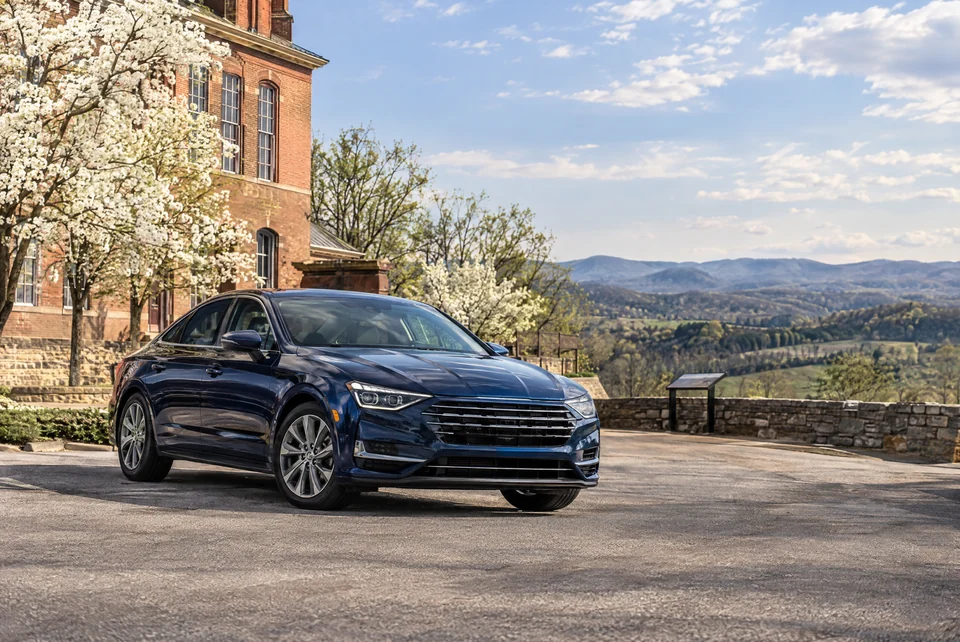
Virginia requires several different kinds of transport planning. Northern Virginia emphasizes contact availability and limited curb space; Hampton Roads adds crossing dependencies; western destinations can involve steep or narrow approaches. Identify the constraint at each endpoint before choosing a pickup window. The goal is a handoff both the carrier and the local contact can actually complete.
What to know first
- Provide building and curb-access details for Northern Virginia.
- Identify the exact Hampton Roads city and receiving location.
- Check western driveway access separately from highway conditions.
Northern Virginia needs more than a metro label.
Give the exact city, ZIP and parking location for an Arlington, Alexandria, Fairfax-area or other Northern Virginia move. A garage beneath an apartment building and a suburban driveway require different arrangements. Ask the property manager about vehicle retrieval, delivery windows and an approved place for loading.
Tell the coordinator when your contact is available and when they must leave for work, a train or a flight. Traffic can disrupt a tightly stacked schedule. Arrange an authorized backup who can obtain the keys and meet at an alternate location if that possibility has been reviewed.
Hampton Roads planning includes the crossing and the neighborhood.
Name the exact pickup and delivery cities around Hampton Roads, rather than using the region as a single endpoint. Tell the team if the receiver’s availability is tied to another trip across the water. Bridge and tunnel conditions may influence the wider schedule even when the loading street itself remains clear.
The carrier must determine a route suitable for its equipment. Avoid prescribing a passenger-car shortcut or promising the receiver a fixed arrival based on a navigation estimate. Agree on a receiving window, check live conditions and communicate any change that affects the person meeting the truck.
Western properties require an approach description.
For Shenandoah Valley or western mountain destinations, describe the road after the major route: width, grade, surface, sharp bends and turnaround. Identify gates and low branches. Ask the local contact about the actual driveway condition, particularly when rain, snow or ice might affect the handoff.
A nearby town meeting point can be discussed if property access is unsuitable, but it needs permission and driver review. Work out who drives the vehicle between the two places. Disclose a non-running condition early; the alternative location should not depend on an impossible drive from the property.
Turn the pickup window into a conditions checklist.
Virginia 511 provides live traffic, road-condition, incident and work-zone information. Use it while discussing the move and check again before the owner or representative sets out. Its current display is a planning input, not a statement that the same conditions will continue throughout the shipment.
For a meaningful window, put the release date, contact availability, location access and receiver’s hours beside each other. If one changes, inform the coordinator promptly. Ask when the next update will occur and who can authorize a revised meeting point so several people do not create conflicting arrangements.
Prepare a release that survives a contact change.
A backup person should be able to complete the handoff using the same information as the owner. Confirm they can access the vehicle and understand the condition record. For a dealer purchase, verify the store’s release authorization and the department that physically holds the car.
- List the vehicle reference and location of keys.
- Record whether it starts, rolls, steers and brakes.
- Share clearance, dimensions and any modifications needing equipment review.
- Take exterior and wheel photographs before release.
- Provide the confirmed meeting place, backup contact and destination receiving instructions.
Confirm service and price around the actual constraints.
Choose open or enclosed transport by considering the vehicle’s exposure and loading needs. Enclosed shelter does not itself solve a steep driveway or restricted building frontage. Report modifications for manual review and provide detailed condition information when the car cannot be driven normally.
The preliminary quote uses approximate ZIP-based miles, not a verified Virginia truck route. Read Driveline’s pricing method and submit the locations, access notes and real timing constraints together. Final booking requires manual agreement on the proposal, including equipment, total price, pickup and receiving expectations and written terms.
Plan your next step
Plan door-to-door access ↗Understand pickup and transit timing ↗Prepare the car and your representative ↗Review the preliminary price method ↗Request a Virginia transport quote ↗Sources & further reading
Explore the service
Door-to-door car shipping ↗Published by Driveline Logistics. Guides explain planning considerations; shipment-specific equipment, availability and written terms are confirmed before booking.