
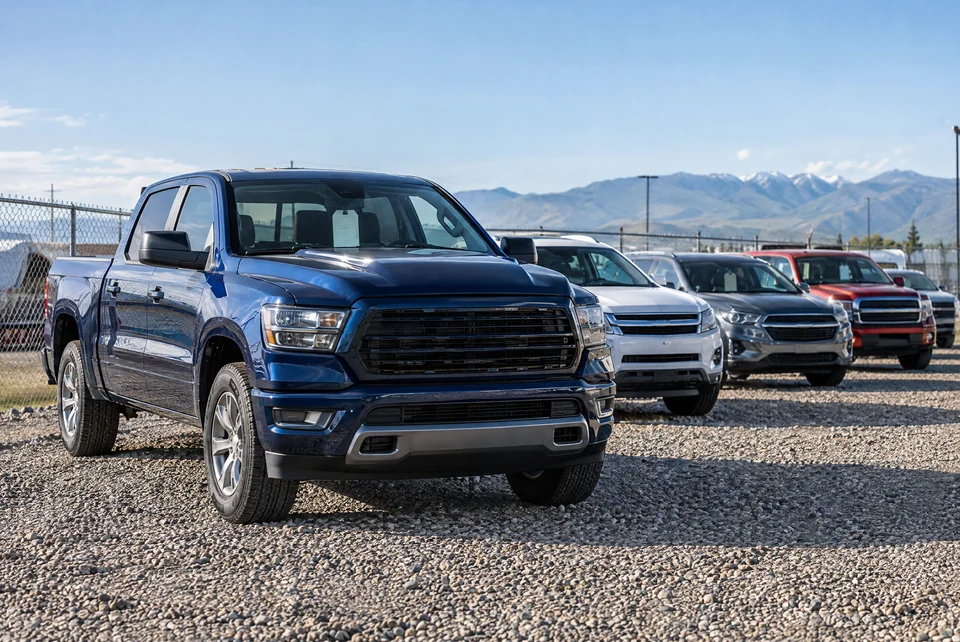
Winning an auction does not automatically make a vehicle ready for a transporter to collect. Payment, release authorization, pickup procedures and the car’s current condition all need attention. Confirm the location’s current instructions directly and give the coordinator a complete release plan.
What to know first
- Confirm release eligibility and pickup procedures with the location.
- Treat listing condition labels as information to verify.
- Understand storage deadlines and responsibility before scheduling.
Confirm the vehicle is eligible for release.
Check that the required payment and account steps are complete. Ask what authorization, reference or documentation the pickup party needs. Keep the release contact and the vehicle’s location clearly identified.
A transport booking cannot override the auction’s release process. Avoid sending a truck on the assumption that a payment or administrative issue will be resolved by the time it arrives.
Check appointments and yard procedures.
Pickup requirements vary by operator and location. For example, Copart’s published Visitor Sign-In guidance tells vehicle pickup visitors to book an appointment before arriving. Verify the current process for the actual location involved in your shipment.
Share opening hours, appointment requirements and any restrictions on the vehicle or equipment. If a transporter must use a particular release process, make sure that is understood before dispatch.
Verify the condition needed for loading.
Ask whether the vehicle currently rolls, steers and brakes, whether keys are available and whether there are leaks or loose components. A broad listing label may not answer the questions needed to select equipment.
Disclose collision damage, missing wheels or suspected battery hazards. A normal transport arrangement does not automatically include recovery work or specialist handling for every damaged vehicle.
Understand storage and timing.
Ask the auction directly about applicable pickup deadlines and storage charges. Those rules can differ by location, purchase and timing. Do not rely on a generic number of free days from an unrelated guide.
Explain the real deadline to the coordinator and ask what is feasible. Confirm who is responsible for storage, missed appointments or other charges under the written arrangement.
- Vehicle reference and pickup location
- Release authorization and payment status
- Required appointment or pickup process
- Current rolling, steering and braking condition
- Keys, damage and available loading assistance
- Storage deadline and receiving contact
Prepare the receiving location.
A repair shop, dealership and private residence may have different unloading needs. If the vehicle is inoperable, confirm how it can be placed at the destination and whether assistance is available there.
For a Driveline auction request, include the auction city, destination, vehicle description and condition first. Provide detailed release credentials through the agreed follow-up channel rather than adding unnecessary sensitive information to a public form.
Plan your next step
Online enthusiast auction transport: from winning bid to vehicle release ↗Shipping a project car: a complete condition brief for the transporter ↗Car transport without keys: what must be reviewed before dispatch ↗ATV dealer and auction release checklist ↗Sources & further reading
Explore the service
Multi-car & fleet transport ↗Published by Driveline Logistics. Guides explain planning considerations; shipment-specific equipment, availability and written terms are confirmed before booking.