
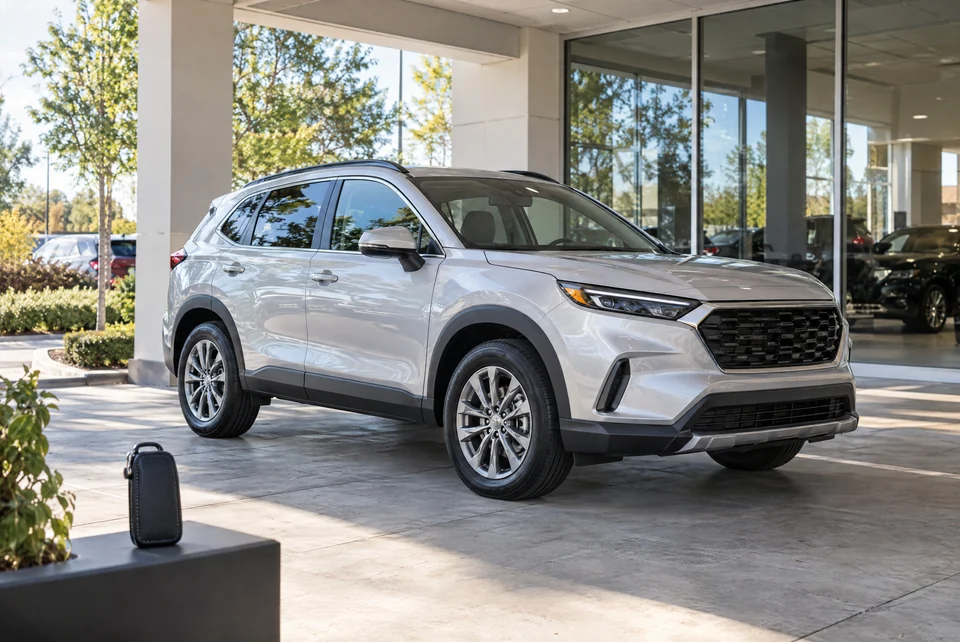
A lease-return shipment has two finish lines: the transporter delivers the car, and the lessor’s authorized receiving process accepts the return. Plan for both. A transport delivery receipt may document custody without proving that every lease-end requirement is satisfied. Start with the lessor’s instructions and a named receiving contact, then arrange a truck around the accepted handoff.
What to know first
- Confirm that the destination is authorized and will accept a transported lease return.
- Complete required inspection, equipment and paperwork tasks before release.
- Retain both transport delivery records and the lessor’s return confirmation.
Get an accepted return location.
Contact the lessor through its established account channel and ask where this vehicle can be returned. Then speak with that location’s lease-return staff. Verify that it will accept delivery from a carrier when you are absent, and ask what authorization or signed forms are necessary.
Toyota Financial, for example, distinguishes authorized Toyota or Lexus returns from unauthorized third-party dealer returns and recommends confirming an appointment. Treat that as a specific program example. Other brands and lessors may use different rules, so a dealership’s proximity or brand alone is not sufficient.
Separate the maturity date from the appointment.
Write down the contractual maturity date, the accepted return appointment and the transporter’s proposed window. Ask the lessor what happens if the appointment must change. If you need an extension or early-return arrangement, resolve it directly; a carrier cannot amend your lease.
Leave practical time between the planned delivery and any date that would create an account problem. Ask the dealer whether it can accept an earlier arrival and what happens outside business hours. Do not authorize a key drop unless the dealer and lessor accept that process for your return.
Complete the inspection and equipment inventory.
Follow your lessor’s inspection process and retain its report. Photograph the car after any approved repairs and before transport, including wheels, glass and interior. A pre-return inspection and a transport condition inspection serve different purposes; keep both records without substituting one for the other.
Inventory all required keys, remotes, manuals, cargo covers and original equipment. Ask how removable items should be secured or separately transferred. Record what accompanies the car, and have the receiving contact acknowledge it where possible. Avoid leaving unrelated personal belongings mixed with return equipment.
- Are all keys present?
- Does the lessor require an odometer form?
- Who receives equipment that cannot travel loose in the car?
Give the driver usable receiving instructions.
Provide the dealership’s actual receiving entrance, department, named contact, hours and appointment reference. A sales address may not be the unloading location. Confirm truck access, especially where the property has low signs, crowded customer parking or a separate storage lot.
Explain that the movement is a lease return rather than a trade-in, sale or service visit. Ask the receiving contact to put the VIN and purpose in its schedule. This reduces the risk of the car reaching the property while the available staff do not know how to process it.
Define the evidence you need back.
Before pickup, ask which document establishes the return in the lessor’s process and who will send it to you. Request the receiving employee’s name, handoff date and odometer record. Separately retain the carrier’s delivery paperwork and any photographs taken at unloading.
If an item is missing or the dealer raises a condition concern, record the facts and notify the relevant parties promptly. A clean transport delivery does not promise a zero lease-end balance. Mileage, wear and account charges remain subject to the agreement and the lessor’s review.
Confirm closure with the account servicer.
Follow the lessor’s notification instructions after physical delivery. Verify that the correct VIN and return date appear in its records, and retain correspondence if the dealer’s receipt and account status do not agree. Review the final statement through the established account channel.
For the transport request, provide the vehicle, appointment restrictions and approved receiver before accepting a proposal. Driveline ZIP mileage is approximate and final booking requires manual review. If the dealer changes its appointment, update the coordinator immediately so the shipment plan remains tied to an accepted return.
Plan your next step
Review dealership transport ↗Prepare a vehicle release packet ↗Review delivery inspection ↗Sources & further reading
Explore the service
Dealership auto transport ↗Published by Driveline Logistics. Guides explain planning considerations; shipment-specific equipment, availability and written terms are confirmed before booking.