
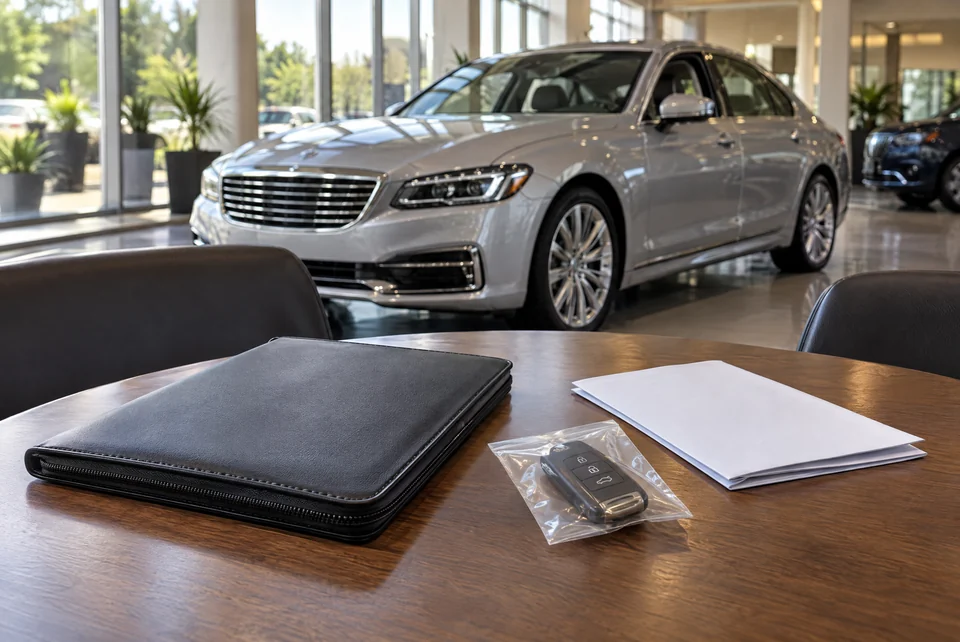
A sold vehicle and a vehicle ready for carrier pickup are not always the same thing. A consistent release packet helps the sales, accounting, lot and receiving teams work from one set of details. It also makes exceptions visible before a transporter arrives.
What to know first
- Keep vehicle identification and release authorization together.
- Confirm where the keys are and who can release the unit.
- Treat receiving details as part of the same packet.
Give the unit a clear identity.
Use a stock reference or VIN alongside the year, make and model. Confirm the color when it helps distinguish similar inventory. Include the actual lot address rather than assuming the dealer's public showroom address is the pickup point.
For batches, use one row per vehicle. Avoid sending several versions of the list through separate conversations without identifying which one is current. Mark additions, removals and readiness changes clearly.
Separate paperwork from physical readiness.
Funding, title processing, internal authorization and final preparation can follow different timelines. Identify the steps that must be complete before release and the person who can confirm that they are complete.
Then check the physical car: accessible on the lot, keys available, relevant accessories accounted for and condition accurately described. If another vehicle blocks access or the unit needs a jump-start, the pickup plan should know about it beforehand.
Make the gate-to-key process obvious.
Provide the release contact, a backup number, pickup hours and any appointment or identification procedure. Explain where the driver should check in and whether a porter or other employee must bring out the vehicle.
Share useful access instructions without burying them in a long email chain. A brief note such as “commercial entrance on the west side; call the lot manager on arrival” can matter more than a generic dealership address.
Include the receiving handover.
List the destination, authorized recipient and receiving hours. A retail customer, another store and a preparation center may need different instructions. Verify those details with the receiving party instead of relying on an old customer record.
Keep the pickup condition report and delivery record tied to the same unit reference. For recurring moves, save the packet format as a team template and update the shipment-specific fields each time.
- Unit reference and actual pickup location.
- Release authorization and readiness date.
- Keys, access, contact and backup contact.
- Destination, receiving hours and condition records.
Plan your next step
Dealer-trade transport: coordinate two releases without crossed instructions ↗After-hours vehicle pickup: authorization, keys and inspection visibility ↗Vehicle inspection and the bill of lading: keep a clear record ↗Dealership car shipping checklist: release, pickup and receiving ↗Explore the service
Dealership auto transport ↗Published by Driveline Logistics. Guides explain planning considerations; shipment-specific equipment, availability and written terms are confirmed before booking.