
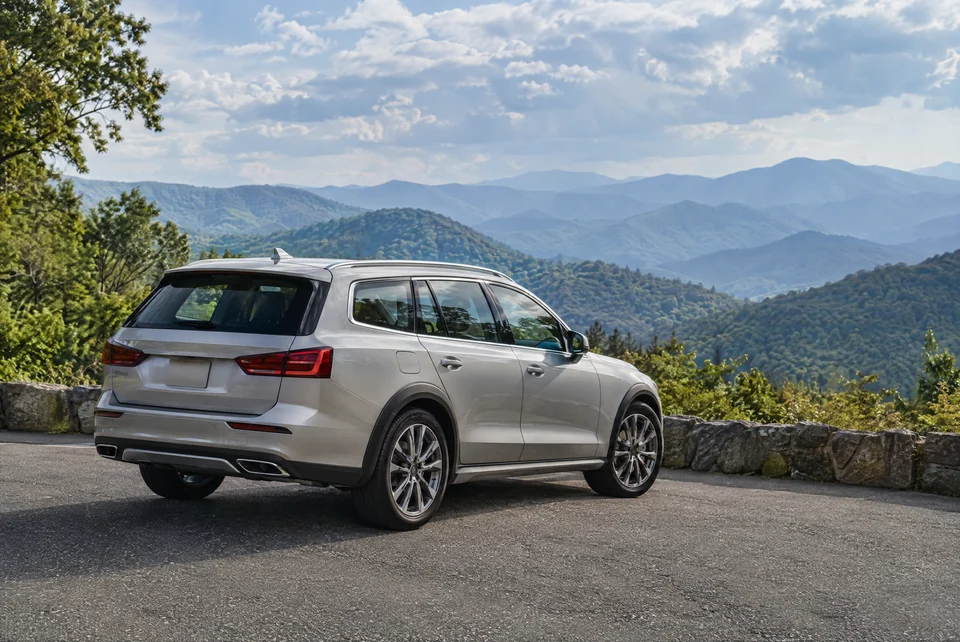
North Carolina transport planning changes sharply between a mountain driveway, a Piedmont apartment complex and an island destination. Start by identifying which part of the move needs special coordination. A car may be ready to leave while its access road, release contact or destination remains uncertain. Resolve those details before building personal travel plans around the shipment.
What to know first
- Describe the final mountain approach separately from the highway route.
- Confirm campus, apartment or business receiving hours in metro areas.
- Review any ferry-dependent destination manually before booking.
Mountain pickups need a route-end assessment.
For Asheville-area properties and western mountain towns, give the exact address and describe grades, curves, driveway transitions and turning space. Tell the coordinator whether the final road is paved and whether access depends on a private gate. A vehicle that fits into its own driveway does not establish that a carrier can follow it.
Ask about an agreed meeting point in a more accessible area if the property is unsuitable. Decide who can bring the car down and return home afterward. If it cannot be driven, review the necessary loading assistance before moving the appointment away from the property.
Charlotte and the Triangle need a workable receiving window.
In Charlotte, Raleigh, Durham or surrounding communities, ask about the actual parking layout. Apartment garages, townhouse lanes and business campuses may have limited space or specific delivery procedures. Describe the entrance the driver should review rather than sending only the building’s postal address.
For a campus move, identify who can receive the car while the owner handles check-in or orientation. For a job relocation, avoid making the first workday the sole receiving opportunity. An authorized local contact with flexible availability can be more useful than a narrow appointment based on an estimated arrival.
Coastal and ferry-dependent locations require separate questions.
Give the exact coastal community and disclose whether reaching the requested address depends on a bridge, causeway or ferry. A destination appearing in a passenger-car route planner does not establish carrier compatibility. Do not assume that a ferry accepts the proposed truck or that a sailing will match the transport schedule.
If a ferry is involved, have the route, vehicle dimensions, reservation needs and receiving arrangement reviewed before booking. A mainland handoff may be discussed as an alternative, with the owner responsible for an explicitly agreed onward plan. Do not leave that last segment implied in a general door-to-door request.
Use DriveNC without treating its map as a booking promise.
DriveNC includes road closures, work zones, incidents, weather information and snow-and-ice reporting. It also displays ferry information. Use the live resource to review the area during planning and again near pickup; conditions shown today do not guarantee access during a later window.
Ask the local contact to check the private road or property as well. If severe weather changes access, identify who retains the vehicle, who communicates with the carrier and who can receive it after the revised window. Confirm changes together rather than having the seller and buyer independently choose new meeting points.
Match preparation to the car and its approach.
A low car at a steep mountain drive and a lifted pickup in an apartment garage need different measurements. Report clearance, height and modifications before equipment is selected. Enclosed shelter is a separate preference from the loading method; confirm both when necessary.
- Test whether the car starts, rolls, steers and brakes.
- Identify keys and provide concise instructions for any unusual controls.
- Complete dealer or storage release authorization before pickup is planned.
- Photograph the exterior and known damage for both handoff contacts.
- Record property access, a reviewed fallback location and a weather backup contact.
Put unresolved details into the quote request.
Use the actual pickup and delivery ZIP codes, then explain any mountain or island access issue in the request. Driveline’s estimated miles come from ZIP centers with a planning allowance, not verified road or ferry routing. The preliminary figure cannot settle special access arrangements.
Review pricing before comparing proposals. Modified vehicles require manual quoting, and unusual condition needs a precise loading assessment. Final booking remains a manual confirmation of the amount, equipment, release window and destination arrangements. If a final segment needs separate transport, establish its responsibilities before accepting the full plan.
Plan your next step
Review door-to-door coordination ↗Prepare a low-clearance vehicle ↗Prepare the car and release contact ↗Read the estimate methodology ↗Request a North Carolina transport quote ↗Sources & further reading
Explore the service
Door-to-door car shipping ↗Published by Driveline Logistics. Guides explain planning considerations; shipment-specific equipment, availability and written terms are confirmed before booking.