
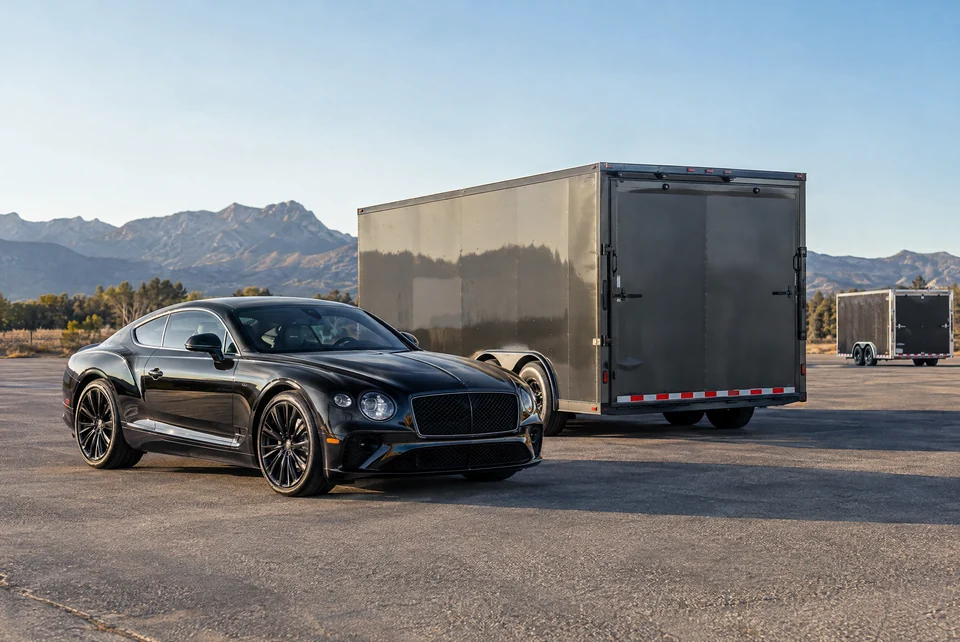
Enclosed describes the shelter around a vehicle. Dedicated describes an arrangement for the use of transport capacity. They answer different questions. A useful discussion makes both clear, then connects them to the route, schedule and handling needs.
What to know first
- Enclosed transport does not by itself mean exclusive trailer use.
- Define what dedicated means in the actual written arrangement.
- Review loading compatibility regardless of the capacity choice.
Start with your real requirement.
Are you looking for weather shelter, a particular loading method, exclusive use, fewer scheduled handovers or a specific receiving window? Name the priority rather than expecting one service label to settle all of them.
A collectible car going to storage and a vehicle heading to an event may both need enclosed transport, while their timing and capacity requirements differ. Explain what would make the arrangement successful for your situation.
Understand a shared arrangement.
Enclosed equipment can have more than one vehicle position: Kentucky Trailer, for example, offers an enclosed two-car hauler. Ask how your vehicle will fit into the proposed route and what pickup and receiving windows are being discussed. Confirm the loading equipment and unusual clearance needs; the example does not establish which trailer will handle your booking.
Do not infer an exact number of companion vehicles or stops from the word shared. Those details depend on the actual equipment and arrangement. If a particular restriction matters to you, discuss it explicitly.
Define the dedicated scope.
Ask whether dedicated refers to the entire trailer, a particular journey segment or another agreed service scope. Clarify the origin, destination, access and any intermediate handling. A clear written definition is more useful than an impressive phrase.
Exclusive capacity does not remove road conditions, property access or equipment limitations. Compare the actual timing commitment and practical loading plan alongside the price.
Choose around the vehicle and the journey.
Share value, dimensions, modifications, starting instructions and the receiving site's requirements. A dedicated arrangement cannot compensate for equipment that does not fit the car.
Keep the agreed capacity scope, loading method, pickup window and destination instructions together. Review coverage and issue-reporting terms separately so your expectations match the complete booking.
- What is the purpose of choosing dedicated capacity?
- What exact use of the equipment is included?
- Does the loading method suit the car?
- Which dates and handling details are confirmed in writing?
Plan your next step
Open vs. enclosed car shipping: which fits your vehicle? ↗Moving a vehicle collection: unit records, release order and receiving ↗Race car transport: loading, spares and event receiving windows ↗Sources & further reading
Explore the service
Enclosed auto transport ↗Published by Driveline Logistics. Guides explain planning considerations; shipment-specific equipment, availability and written terms are confirmed before booking.