
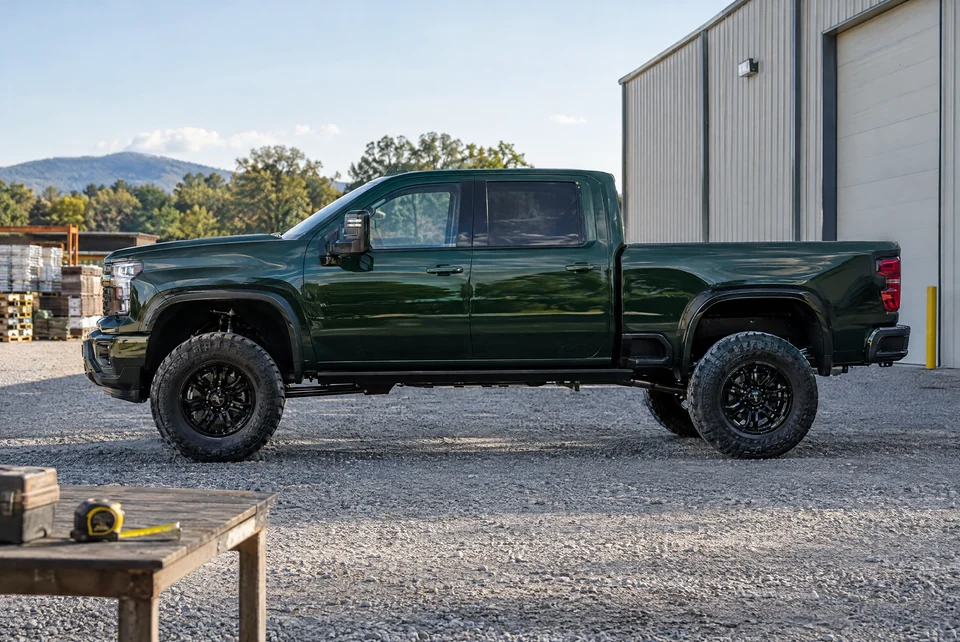
Factory make and model can be an incomplete description of a lifted pickup or heavily equipped SUV. Height, width, length and weight affect equipment suitability and the way a load is planned. Give the current dimensions instead of assuming the standard vehicle specification still applies.
What to know first
- List modifications and installed accessories.
- Use actual measurements where the vehicle differs from stock.
- Review equipment suitability before relying on a standard quote.
Describe the vehicle as it will travel.
Identify suspension lifts, oversized tires, wide fenders, roof racks, rooftop tents, toolboxes, bumpers and other equipment. Explain what will stay installed and what can be removed under the agreed preparation plan.
A photograph helps communicate the layout, but it does not replace a reliable measurement. If you are unsure how to obtain a needed dimension, ask the coordinator what information is required and have an appropriate professional assist.
Gather the dimensions that matter.
Provide overall height, width and length when requested, including fixed accessories and the configuration used for transport. If weight differs substantially from factory specification, disclose the changes and use a reliable basis for the information.
A trailer's headline width does not describe every clearance inside it. Featherlite's Model 4941 sheet, for example, lists separate wall-to-wall, rear-frame and fender-to-fender widths, as well as interior height. Have the coordinator check the proposed equipment against your vehicle's actual measurements.
Consider condition and loading together.
A large vehicle that starts, rolls, steers and brakes presents a different loading question from one with locked wheels or collision damage. Include condition alongside dimensions so the proposed equipment addresses both.
Mention low hanging accessories, unusual steps or components that affect clearance. A lifted body does not mean every part beneath it has generous clearance or that every loading approach is suitable.
Confirm the complete arrangement.
Discuss the actual vehicle brief before treating a price or equipment choice as settled. Vehicle size and configuration can affect the available transport options and how it is grouped with other units.
If modifications change after the quote, update the request. Keep the final measurements, accepted preparation instructions and pickup condition photos with the handover record so the arriving vehicle matches the plan.
- Current vehicle configuration.
- Overall dimensions when requested.
- Condition and loading concerns.
- Changes disclosed before dispatch.
Plan your next step
How to measure a vehicle for transport: height, width and clearance ↗Shipping a non-running car: the details to disclose first ↗How to compare car shipping quotes beyond the headline price ↗Sources & further reading
Explore the service
Custom & specialty vehicle transport ↗Published by Driveline Logistics. Guides explain planning considerations; shipment-specific equipment, availability and written terms are confirmed before booking.