
A shipment that stays inside Texas can still require substantial travel and several layers of coordination. Start with the actual city and ZIP code at each end, rather than “Dallas area” or “near Houston.” Then separate the long road portion from the local loading problem. A usable release window and an accurate access description matter more than a straight line across the state.
What to know first
- Use exact city and ZIP details for each Texas endpoint.
- Confirm a rural entrance and turnaround before dispatch.
- Keep travel, release and receiving deadlines separate.
Dallas–Fort Worth requires a specific side of the metro.
A seller in Fort Worth and a receiver east of Dallas should not be described as one generic DFW stop. Give the precise location, which entrance reaches the car and whether the pickup is at a home, garage or dealership. Ask the local contact to describe the street as it operates during the proposed window, including school traffic or crowded curb space.
If an alternate meeting point is needed, choose it with the coordinator and driver. The owner should know how far they must drive and how they will return after releasing the vehicle.
Houston handoffs benefit from a weather fallback.
For a Houston-area move, record the address where the car is physically parked, not only the owner’s mailing address. A gated apartment garage, suburban cul-de-sac and commercial lot need different access instructions. Ask whether the vehicle can wait in an accessible place once the driver confirms the approach.
Before pickup, use DriveTexas for current closures, road damage, traffic and weather impacts. If conditions affect the local approach, contact the coordinator before leaving home. An alternate handoff is useful only when both parties can reach it safely and its operator permits the loading activity.
Austin and San Antonio: build around the release window.
In the Austin–San Antonio corridor, do not make a passenger-car map estimate the basis of a narrow carrier appointment. Tell the team when the car becomes available and when the person releasing it must leave. Those are two separate facts. A dealership’s closing time should be shared before a pickup window is accepted.
For a downtown or campus-adjacent location, check garage retrieval procedures and reserved loading periods. If an authorized friend will meet the carrier, confirm that the friend can obtain the keys, drive the vehicle if necessary and review the condition record.
Remote properties need an entrance description.
A West Texas ranch, Panhandle property or rural South Texas address may involve a long final approach. Describe paved and unpaved sections, gates, cattle guards, soft surfaces, overhead obstacles and the available turnaround. Supply a map pin for the entrance as a supplement to the written address, not as a substitute for an access review.
When a full-size carrier cannot use the property, discuss a suitable town meeting point. Work out who moves the vehicle there and who pays for any separately arranged assistance. A non-running car cannot simply be driven to the more convenient location.
Check the vehicle and contacts before the truck is planned.
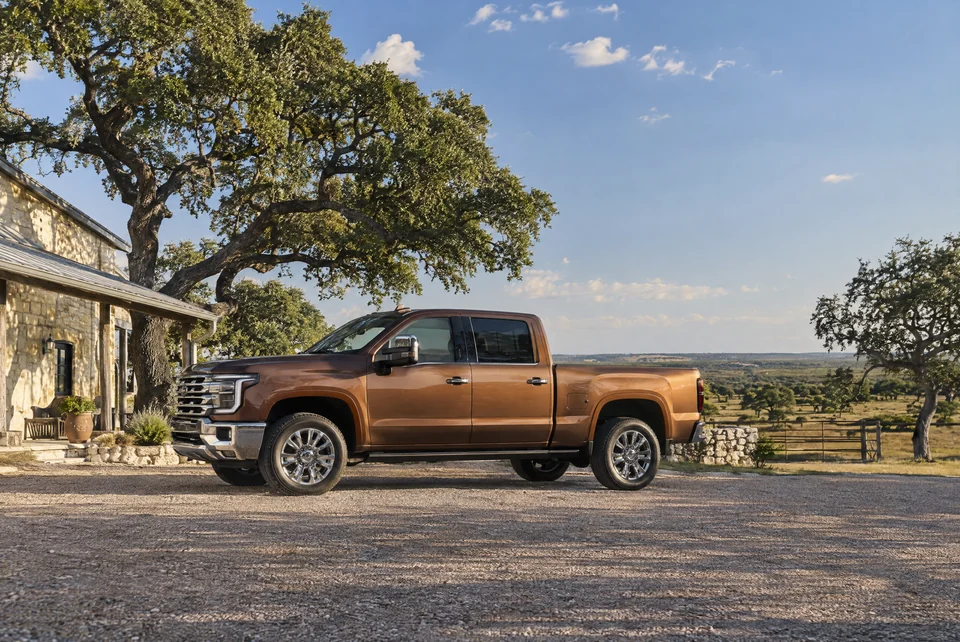
Texas pickups can involve everything from compact cars to tall pickups. State the actual configuration: lifted suspension, roof equipment, wider tires or a long bed can change the space and loading assessment. Open transport may suit an everyday vehicle; enclosed shelter and specialty loading should be discussed around the particular car.
- Confirm year, make, model and any changes from factory dimensions.
- Test starting, steering and braking; disclose locked wheels or leaks.
- Identify the person holding the keys and any dealer release authorization.
- Photograph the car before handover and give the receiver the same reference.
- Check the origin and destination contacts can answer calls during their windows.
Keep distance estimates separate from commitments.
Driveline’s calculator uses approximate ZIP-based mileage, not the actual carrier itinerary. A long Texas move therefore needs review of the complete origin, destination and access situation before the preliminary amount becomes a booking proposal. Modified vehicles require manual pricing review.
Ask which dates are planning estimates and what the written terms confirm. If the trip connects to a flight, job start or dealership appointment, identify the consequence of a change early. Submit one complete quote request with the location details and vehicle condition; final price, equipment and booking are confirmed manually.
Plan your next step
Explore open car transport ↗Compare open and enclosed options ↗Prepare your car for the handoff ↗Understand preliminary pricing ↗Request a Texas transport quote ↗Plan Texas–Florida car shipping ↗Plan Northeast–Texas vehicle transport ↗Sources & further reading
Explore the service
Open car transport ↗Published by Driveline Logistics. Guides explain planning considerations; shipment-specific equipment, availability and written terms are confirmed before booking.