
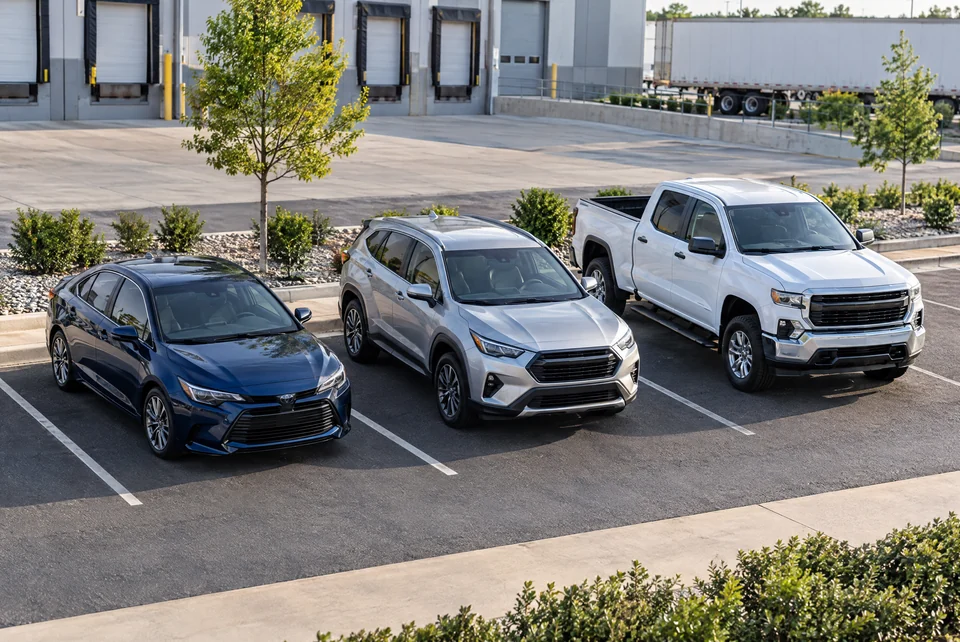
Multi-car transport starts with a list of the actual vehicles and where each one needs to go. Two cars sharing a route may qualify for one preliminary online estimate; a mixed group or a fleet needs an individual plan. Grouping vehicles does not guarantee a discount, one trailer or simultaneous delivery.
What to know first
- A vehicle count alone is not enough to choose capacity.
- Group units by lane and release window before requesting a plan.
- Receiving space and staffing can become the limiting factor.
Can I get a shipping price for two or three cars online?
Driveline can calculate an eligible mainland move of two or three comparable vehicles when you confirm that they share the route, condition, vehicle category, equipment needs and pickup window. Running enclosed vehicles must also share the same value band. Four or more vehicles, unconfirmed group details, mixed requirements, modified cars and specialty services receive individual review.
The preliminary total uses estimated miles × the applicable per-vehicle rate × quantity. For example, two running, unmodified cars over 800 estimated miles on open transport calculate to 800 × $2 × 2 = $3,200. This explains the tariff; it is not a discount, confirmed carrier quote or reservation.
Build a useful vehicle list.
List each unit with a year, make, model, condition and internal reference. Flag oversize vehicles, modifications and non-runners. Include the current location and the earliest date each unit can be released.
Avoid a spreadsheet that only lists stock numbers. The transport coordinator needs enough information to understand the physical load and pickup requirements, while the receiving team needs references it can reconcile on arrival.
Group the move by practical constraints.
Vehicles that share an origin, destination and release window are a natural group to assess. Units with different deadlines or special handling needs may need separate arrangements. Decide which vehicles are priorities and where timing can remain flexible.
If the move spans several locations, show them clearly. A plan for one pickup and one delivery is not directly comparable with an offer that includes several collection points and staged deliveries.
Do not assume a fixed cars-per-trailer number.
Usable capacity depends on the mix of dimensions, weight and equipment configuration. Cottrell’s description of its CX-09LSFAP1, for example, explains that the extra position works best with shorter vehicles arranged end-to-end in the trailer’s lower deck. Several large SUVs create a different load profile from compact sedans, so a headline carrier capacity should not replace a review of the actual vehicle list.
Ask whether the proposed arrangement is shared or dedicated and whether the vehicles are expected to move together. If keeping a group together is a business requirement, state it before comparing prices.
Plan the destination as carefully as the origin.
The receiving location needs room and people to accept the shipment. Confirm opening hours, staging space, key control and who completes the condition review. A narrow receiving window can affect the whole plan.
For larger moves, consider whether the receiving team can handle several arrivals on the same day. Staggering releases may be more practical than creating a queue the destination cannot process.
- Vehicle list with size and condition exceptions
- Origins and destinations for every unit
- Release windows and priority order
- Pickup and receiving contacts
- Space and hours for loading and unloading
- Shipment references for condition and invoice records
Compare the complete scope.
A good proposal explains what is included, which assumptions depend on vehicle readiness and what happens if a location or quantity changes. Bulk volume does not automatically create a fixed discount or unlimited available capacity.
Send Driveline the vehicle count, routes and timing first, then the detailed unit list through the agreed follow-up process. The objective is one coherent plan that the releasing and receiving teams can both use.
Plan your next step
Calculate an eligible two- or three-car move ↗Planning a vehicle move with several pickup locations ↗Moving a vehicle collection: unit records, release order and receiving ↗Dealer-trade transport: coordinate two releases without crossed instructions ↗ATV versus UTV equipment planning ↗Sources & further reading
Explore the service
Multi-car & fleet transport ↗Published by Driveline Logistics. Guides explain planning considerations; shipment-specific equipment, availability and written terms are confirmed before booking.