
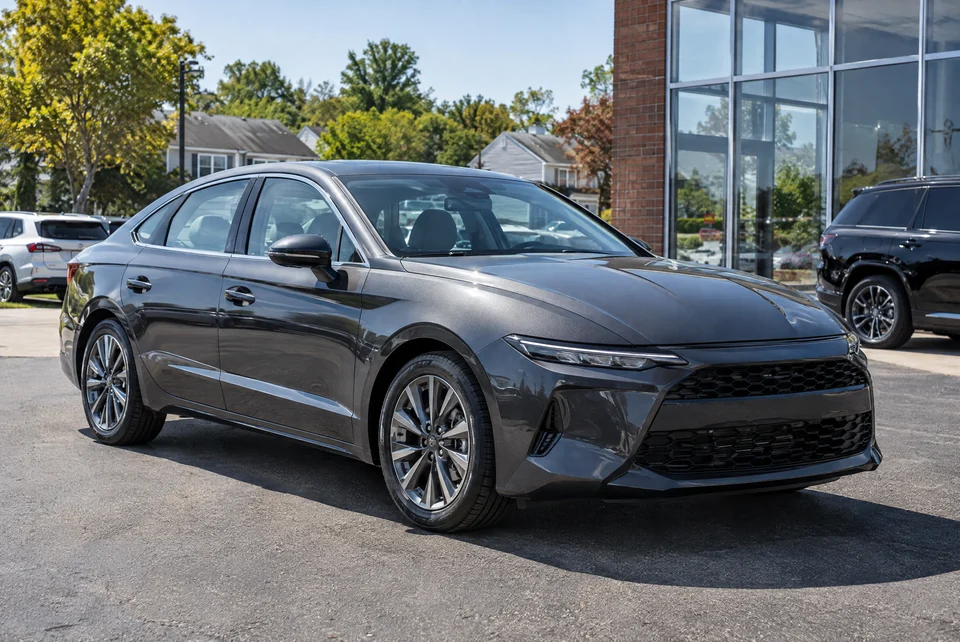
New Jersey’s proximity to major highways does not remove the need for a careful local handoff. A vehicle may be minutes from a corridor yet parked on a narrow residential street, behind a crowded dealership or inside a gated complex. Plan the release and receiving locations as individual jobs, then coordinate them within the broader transport window.
What to know first
- A nearby highway does not establish suitable access at the property.
- Confirm the dealership’s release status and the staff member holding keys.
- Share local meeting restrictions before accepting a pickup window.
Separate corridor information from street-level access.
Use the New Jersey Turnpike or Garden State Parkway as regional context when describing a location, not as instructions for the carrier’s route. Provide the exact town, ZIP and entrance. Let the carrier evaluate the route for its actual equipment and any applicable restrictions.
NJDOT’s 511NJ service provides current incident, construction, weather and other travel information, including the Turnpike and Parkway. Review the relevant area before the handoff, then confirm the final approach with the local contact. A clear corridor can still lead to a crowded street where loading is impractical.
North Jersey neighborhoods need a meeting plan.
For dense areas such as Jersey City, Hoboken or nearby urban neighborhoods, describe curb availability, one-way approaches, overhead obstructions and garage exits. Ask the building manager whether a loading reservation exists and what it actually permits. A reservation for a moving van should not be assumed to cover a car carrier.
If the driver requests a different location, agree on a place where stopping and loading are permitted and there is enough room to work. Arrange the owner’s trip back from that point. Avoid choosing a highway shoulder or an unapproved business lot to save a few minutes.
Make dealership readiness a confirmed fact.
A signed purchase agreement is only one part of a dealer pickup. Ask the store to confirm that payment, inspection or preparation work and its internal release authorization are complete. Determine whether the vehicle is at the advertised showroom, a service building or a separate storage lot.
Name the employee who can hand over the car and provide the stock or VIN reference through the agreed channel. Record that person’s working hours and a backup contact. If the car must be moved out from behind inventory, arrange staging before the carrier arrives rather than depending on whoever is free.
Shore and suburban properties have their own limits.
A Shore delivery may involve a narrow island street, bridge approach or seasonal community entrance. Inland, cul-de-sacs, low trees and townhouse parking can create different constraints. Describe the property as it will be during delivery, including road work or temporary obstructions reported by the receiver.
Ask an HOA or property office about truck access and permitted handoff hours. Discuss an alternate location outside the restricted area when necessary, and identify who can drive the car there. For a non-running vehicle, disclose that limitation before suggesting an alternate that assumes the car can be driven.
Keep the release record with the receiving instructions.
A dealership-to-home move joins two different processes. The dealer needs enough information to release the correct vehicle; the customer needs enough information to receive and inspect it. Use a single written checklist so neither side assumes the other has handled a missing detail.
- Confirm the vehicle reference, keys and any agreed accessories being handed over.
- Record whether the car starts, steers, brakes and has modifications.
- Photograph condition before loading and keep the pickup documentation.
- Give the receiver the meeting location, phone contacts and availability window.
- Specify who is authorized to sign and what happens if that person is delayed.
Compare the complete transport proposal.
An everyday purchase may fit open transport, while enclosed shelter or specialty loading may suit a different vehicle. Ask about the actual equipment when low clearance or dimensions are an issue. Report modifications for manual review and describe non-running condition precisely.
Driveline’s preliminary calculation uses approximate ZIP-based miles; it is not a verified route through New Jersey’s road network. Use the pricing page to understand the method, then submit the vehicle and both handoff situations. Final booking is confirmed manually, including the total price, release window, receiving arrangements and written terms.
Plan your next step
Coordinate dealership transport ↗Build a dealership release packet ↗Compare open and enclosed transport ↗Read the pricing method ↗Request a New Jersey transport quote ↗Plan New Jersey–Florida transport within the Northeast corridor ↗Plan Northeast–Texas vehicle transport ↗Sources & further reading
Explore the service
Dealership auto transport ↗Published by Driveline Logistics. Guides explain planning considerations; shipment-specific equipment, availability and written terms are confirmed before booking.