
Condition-first planning
Non-running vehicle transport
A non-running vehicle needs a clear description of its condition before equipment can be selected. A car with a flat battery is a different loading problem from one with locked wheels, missing keys or collision damage.
Request a quote
A useful starting point
How much does non-running car transport cost?
Preliminary non-running rates are $10 per estimated mile through 300 miles, or $3 per mile above 300 miles, per vehicle. This takes priority over the running-vehicle open or enclosed rate.
The rate applies to all miles: 300 miles calculates to $3,000, while 301 miles calculates to $903. Loading suitability still requires review, especially with locked wheels, leaks or damage. Modified vehicles require a manual quote.
Calculator miles use the distance between ZIP-code centers multiplied by 1.2 and rounded to 10 miles. They are a planning estimate, not a measured road route. Final availability, mileage, price and terms are checked before booking.
Explain what still works.
Tell us whether the car rolls, steers and brakes, whether keys are available and whether the transmission can be placed in the required position. Avoid relying on a single label such as non-runner.
Disclose damage and leaks.
Structural damage, fluid leaks, loose components and damaged high-voltage batteries may affect acceptance and the handling required. A standard car-hauling request does not automatically cover recovery work or hazardous conditions.
Review loading assistance before booking.
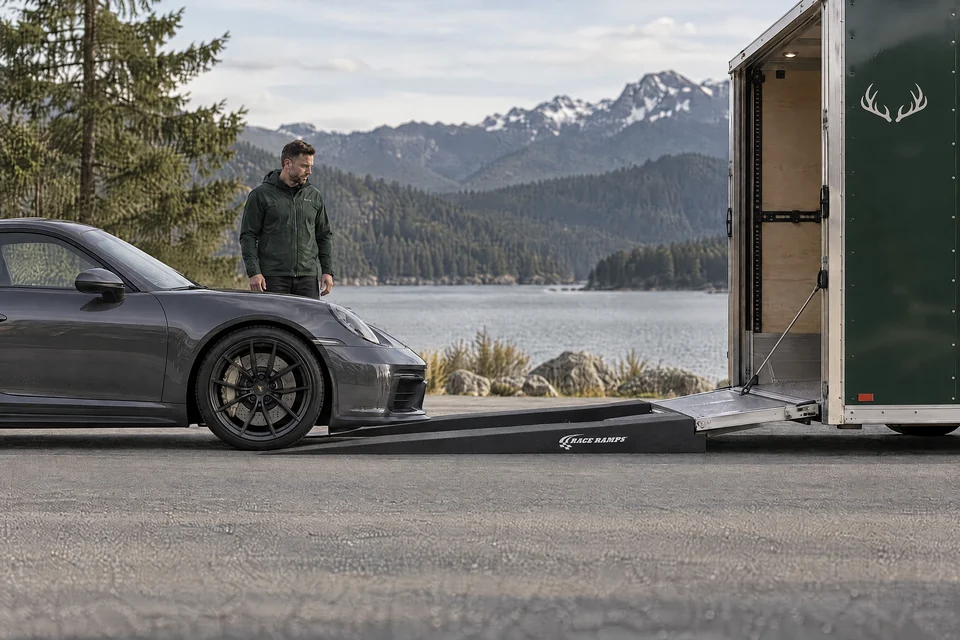
Winch access, loading equipment and assistance at the origin may be needed. Availability and suitability must be confirmed before pickup. The person releasing the car should understand the agreed plan.
Questions about non-running vehicles.
Possibly, depending on its condition and the equipment available. Include a detailed description so suitability can be reviewed.
Disclose that before booking. It can require a different loading approach and may prevent standard transport.
Battery damage or other hazards require specialist review. Do not assume a normal non-running-car arrangement is suitable.
Plan the next step.
Use these resources to compare your options and prepare the details for your request.
Ready to move your car?
Get a quote for your route. We’ll help you plan the pickup and delivery.