
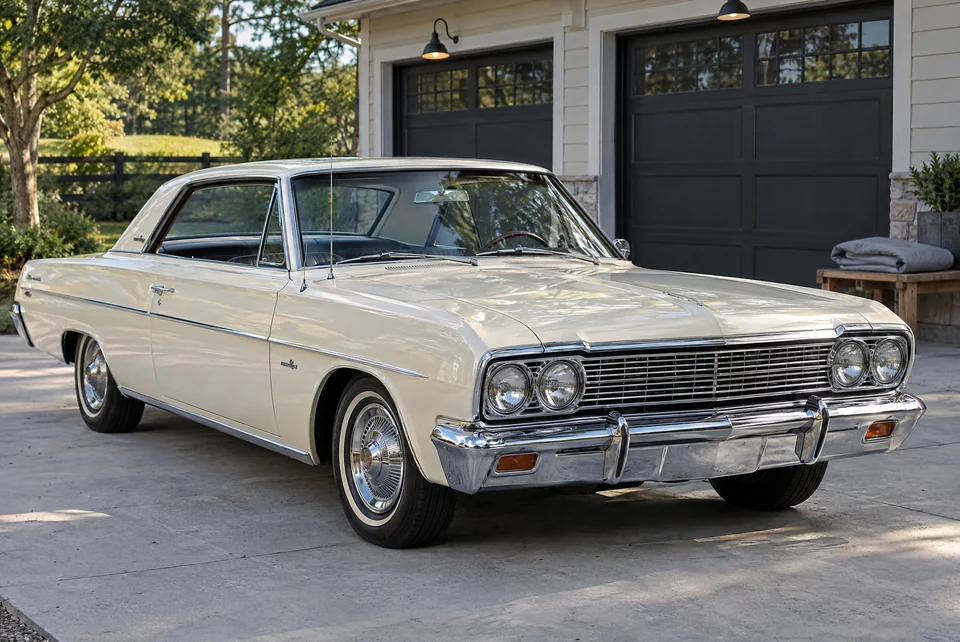
A classic car may need instructions that a modern daily driver does not. Starting procedures, fragile trim, restoration details and unusual dimensions deserve attention before pickup. Start with what is different about the actual vehicle, then review the transport arrangement around those needs.
What to know first
- Describe restoration work, modifications and delicate components.
- Explain starting and handling procedures clearly.
- Enclosed transport and insurance are separate parts of the protection conversation.
Describe the car beyond its year and model.
A restored vehicle may no longer match factory dimensions, ride height or controls. Explain any modifications, unusual wheels, low exhaust components or bodywork that affects loading. Mention fresh finishes or parts that need particular care.
Be specific about the condition. A car that runs occasionally but has unreliable starting or braking should not be described as an ordinary running vehicle without additional explanation.
Prepare simple operating instructions.
Write down the steps needed to start, move and stop the car safely, along with any battery disconnect or alarm procedure. Identify a contact who can answer questions at pickup. The driver should not have to experiment with unfamiliar controls.
Confirm which keys travel with the vehicle and where they belong at delivery. Avoid leaving loose instructions or small parts in places where they can be lost during the handover.
Review the trailer and loading plan.
Enclosed transport is worth considering when shelter from the road environment is a priority. Ask about the actual loading equipment, clearance and whether the arrangement is shared or dedicated.
A liftgate or ramp system can be part of the discussion where suitable. Confirm compatibility with the car’s weight, dimensions and overhang instead of assuming any enclosed trailer will work.
Clarify value, coverage and loose items.
If the vehicle has a specialized or agreed value under your own policy, discuss the relevant documentation with the appropriate insurer or representative. Ask about the assigned carrier’s cargo limits and any exclusions that matter to this shipment.
Spare parts, tools and restoration materials are not automatically treated the same as the car. Explain what you want to send and obtain approval rather than filling the trunk with unrelated items.
- Actual vehicle dimensions and modifications
- Starting, battery and handling instructions
- Known delicate or loose components
- Condition photos and restoration-related details
- Coverage questions and value documentation
- Keys, accessories and authorized receiving contact
Leave room for a careful handover.
Take current photos before pickup and keep the inspection record. At delivery, give the receiving person enough time to compare the car and ask questions. An enthusiast vehicle should not be handed over in a rush simply because the transport route is complete.
When contacting Driveline, describe the car’s specific needs and your priorities. That gives the enclosed or custom transport conversation the detail it needs.
Plan your next step
Moving a vehicle collection: unit records, release order and receiving ↗Shipping a car with PPF or ceramic coating: protect the finish plan ↗Shared vs. dedicated enclosed transport: what to discuss ↗Shipping a convertible or soft-top car: prepare the roof and cabin ↗Wheel straps and loading questions: confirm the actual equipment ↗Sources & further reading
Explore the service
Enclosed auto transport ↗Published by Driveline Logistics. Guides explain planning considerations; shipment-specific equipment, availability and written terms are confirmed before booking.