
An empty trunk can look like convenient moving space. Before filling it, separate the vehicle transport arrangement from the question of carrying other property. Acceptance, loading practicality and coverage are different conversations, and none should be settled by assumption.
What to know first
- Ask before loading anything that is not part of the vehicle.
- Do not assume cargo coverage for the car includes your belongings.
- Keep valuables, documents and essential travel items with you.
Begin with a specific list.
“A few things in the trunk” is too vague to be useful. Describe what the items are, how they are packed and their approximate total weight. A suitcase, a set of spare wheels and loose boxes can create very different handling questions.
Send the list before confirming transport. Ask the assigned party to explain what can be accepted, where it may be placed and whether any additional charge or condition applies. Keep the answer with the written arrangement. There is no universal allowance established by this guide.
Consider access and visibility.
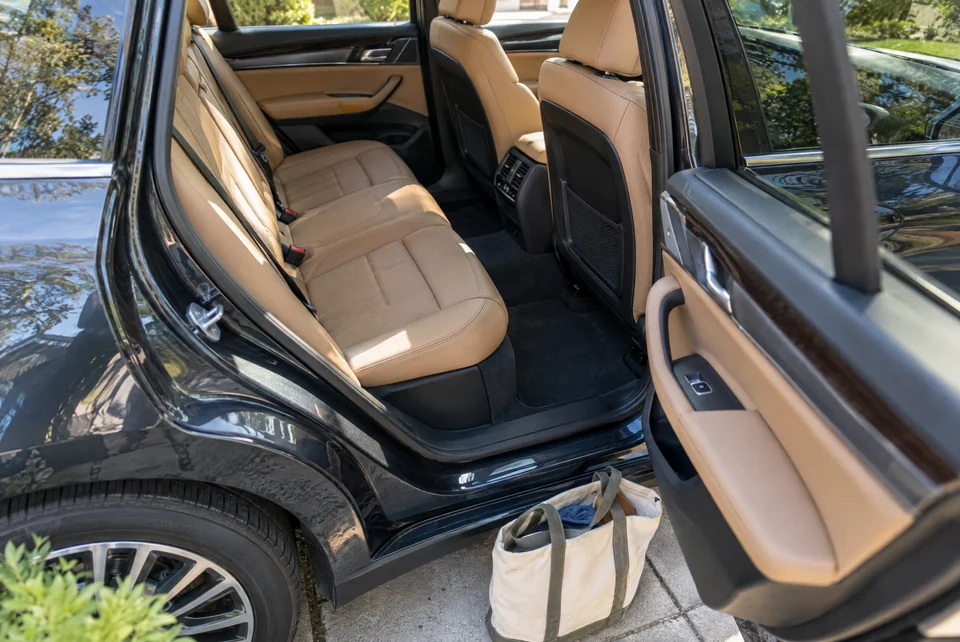
The driver may need to access the cabin and operate the vehicle. Items should not interfere with seats, controls, mirrors, windows or the agreed loading procedures. Do not pack the car in a way that prevents a clear condition inspection.
Loose objects also complicate the handover record. A clean, uncluttered interior makes it easier to distinguish the vehicle's condition from the contents you added. If an item is specifically accepted, agree how it is secured and documented.
Ask the coverage question separately.
Permission to carry an item does not establish insurance for it. Ask whether personal property is included under the actual written coverage and terms. Check your own policy separately too: Travelers explains that comprehensive car coverage does not cover personal belongings stolen from a car. That is a personal-auto example, not a statement about the assigned carrier’s cargo policy; confirm the terms that apply to your shipment.
Keep passports, payment cards, cash, jewelry, medication and irreplaceable records with you. Plan a separate arrangement for goods that need their own inventory, valuation or delivery commitment.
Prepare a simpler pickup.
Remove everyday loose items, parking passes and accessories that are not needed for the handover. Discuss removable exterior equipment, a car cover or spare parts individually instead of treating them as automatically included.
Before the car leaves, photograph its prepared condition and retain the written approval for anything that remains. If the contents change after your initial discussion, ask again so the actual shipment matches the agreed plan.
- List the items and approximate weight.
- Get the acceptance and coverage answer in writing.
- Keep essential and valuable property with you.
- Check that the car remains accessible and inspectable.
Plan your next step
How to prepare your car for transport: a practical checklist ↗Race car transport: loading, spares and event receiving windows ↗Shipping oversized SUVs and modified pickups ↗Plan a personal item tracker without creating handover confusion ↗Shipping a car from storage: access, keys and release planning ↗Sources & further reading
Explore the service
Door-to-door car shipping ↗Published by Driveline Logistics. Guides explain planning considerations; shipment-specific equipment, availability and written terms are confirmed before booking.